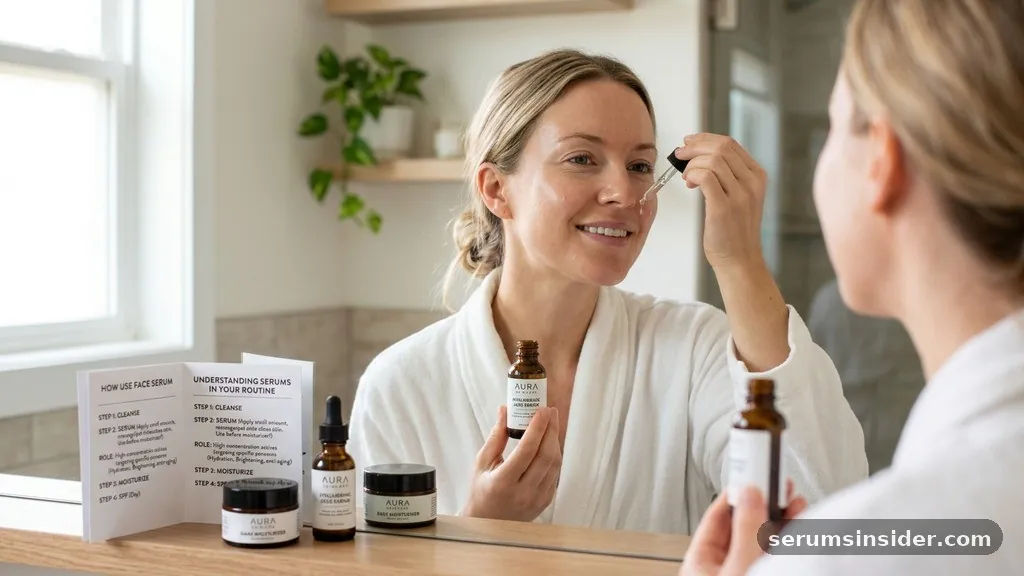
Achieving radiant, healthy skin often hinges on the specific order and method in which you apply your topical treatments. Learning how to use face serum effectively is a transformative step in any regimen, as these concentrated formulas are designed to deliver high-potency active ingredients directly into the dermis.
Unlike heavier creams, a high-quality face serum features a lightweight molecular structure that allows for rapid absorption, making it an essential bridge between cleansing and moisturizing. By integrating these potent liquids correctly, you can target specific concerns—from dullness and dehydration to the appearance of fine lines—with far greater precision than standard lotions alone.
Understanding the Role of Serums in Your Routine
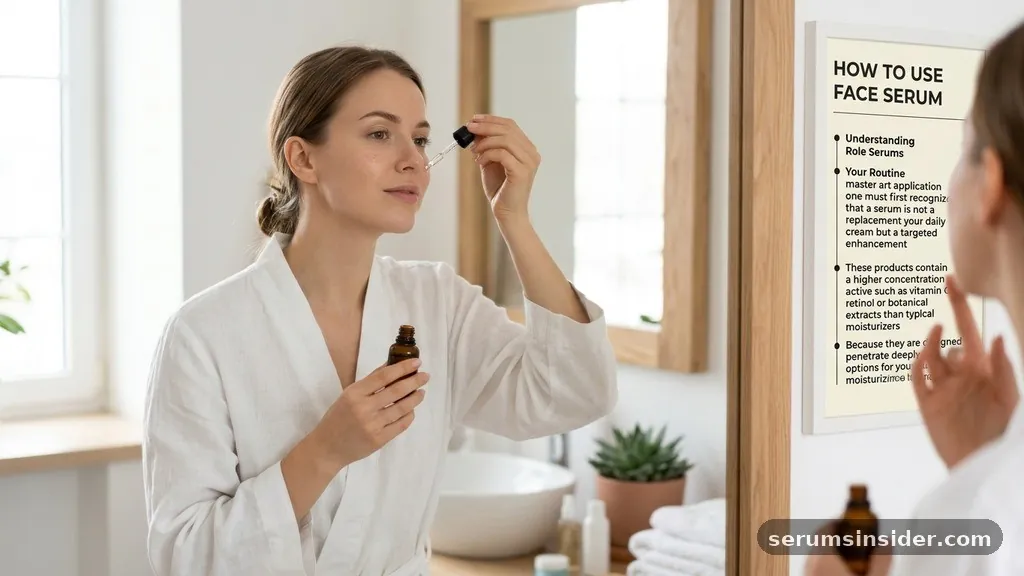
To master the art of application, one must first recognize that a serum is not a replacement for your daily cream but a targeted enhancement. These products contain a higher concentration of active ingredients—such as vitamin C, retinol, or botanical extracts—than typical moisturizers.
Because they are designed to penetrate the skin barrier rather than sit on top of it, they serve as the “treatment” phase of your skincare ritual. When you apply serum to clean, slightly damp skin, you are creating a direct pathway for these molecules to reach deeper layers where they can provide the most benefit.
The efficacy of these treatments relies on consistency. Whether you are using a hydrating hyaluronic acid formula or a brightening antioxidant blend, the skin requires time to adjust and respond to the specific compounds. Many users make the mistake of using too much product, which can lead to pilling or irritation.
A little goes a long way; usually, two to three drops are sufficient to cover the entire face and neck. Think of your serum as the engine of your routine, while your moisturizer acts as the protective seal that locks everything in. Without the seal, the water-based nature of many serums might lead to transepidermal water loss, leaving the complexion feeling tighter rather than hydrated.
The Correct Order of Application
The golden rule of layering is to move from the thinnest consistency to the thickest. This ensures that your skin receives the most benefit from each layer without obstruction. If you apply a thick, occlusive cream before a water-based serum, the serum will simply sit on the surface, unable to penetrate the lipid barrier of your skin.
Therefore, the routine should always start with a gentle cleanser to remove impurities, followed by a toner if you use one. After your skin is prepped, you should apply your serum while the face is still slightly damp. This is a critical tip, as damp skin acts like a sponge, drawing the product deeper into the pores.
After the serum has been applied, wait approximately 60 seconds for it to fully “set” or absorb before moving on to your next step. This brief pause prevents the active ingredients from being diluted or smeared by the subsequent application of a heavier cream. Once the serum has dried, you can follow up with your preferred moisturizer.
For those interested in the science behind barrier function and hydration, the American Academy of Dermatology provides excellent guidance on maintaining skin health through basic daily practices. By strictly following this order, you ensure that every product you own is working at its full potential.
Tailored Approaches for Morning vs. Evening
Your skin has different needs depending on the time of day, and your choice of serum should reflect that biological shift. During the morning, your primary goal is protection. The environment is full of stressors like UV rays and pollution, so your daytime serum should ideally contain antioxidants such as vitamin C or ferulic acid.
These help neutralize free radicals and brighten the skin tone, providing a glow that lasts throughout the day. Because these formulas are designed to work in tandem with your daily sunscreen, they are the first line of defense against premature aging.
In the evening, the skin shifts into repair mode. This is the optimal time to use serums containing peptides, retinol, or chemical exfoliants like AHAs and BHAs. These ingredients work to accelerate cell turnover and repair damage accumulated during the day.
While daytime serums focus on defense, nighttime serums focus on correction and regeneration. It is important to note that you should never mix certain actives, such as retinol and strong vitamin C, unless they are specifically formulated to be used together. When in doubt, keep it simple: one serum for morning protection and a different, reparative serum for evening recovery.
Common Mistakes and How to Avoid Them
Even with the best intentions, many people struggle to see results because they fall into common traps. One frequent error is applying the product to bone-dry skin. While some formulas are designed for dry application, most benefit from the increased permeability provided by a slightly moist surface.
Another mistake is using too much product. Because serums are highly concentrated, using a dropper-full for a single application is often wasteful and can lead to a sticky residue that interferes with makeup application. Using just a few drops and pressing them into the skin—rather than rubbing vigorously—is the most effective method.
Another significant oversight is skipping the neck and décolletage. The skin on your neck is thinner and often shows signs of aging before the face does. Incorporating these areas into your application routine ensures a consistent appearance and provides the same protective and corrective benefits to those neglected zones.
Furthermore, many users fail to wait long enough between steps. If you rush through your routine, you are essentially mixing your products on the surface of your skin rather than allowing them to work in layers. Patience is a fundamental component of effective skincare.
Comparing Serum Types
Selecting the right serum depends on your specific skin concerns and the goals you have for your complexion. The following table highlights common serum categories and their primary functions.
| Serum Type | Primary Benefit | Best Time to Use |
|---|---|---|
| Vitamin C | Brightening & Antioxidant | Morning |
| Hyaluronic Acid | Deep Hydration | Morning & Evening |
| Retinol | Anti-aging & Cell Renewal | Evening |
| Peptides | Firming & Collagen Support | Morning & Evening |
Addressing Topical Gaps and Common Queries
There is a prevalent myth that serums are only for “mature” skin, but this is a significant misconception. In reality, the best time to start using a preventive serum is in your twenties, when you can begin supporting your skin’s natural barrier and collagen production. Another gap in knowledge involves the use of serums without a dropper.
If your bottle doesn’t have a dropper, simply dispense a small amount onto your clean fingertips and gently warm it by rubbing them together before pressing the product into your face. This warming technique helps the formula spread more evenly and aids in initial absorption.
You might also wonder if you can use multiple serums at once. While it is possible to “cocktail” serums, it is generally safer for beginners to stick to one at a time to monitor for reactions. If you wish to use more than one, apply the thinnest one first and wait for it to fully absorb before applying the second.
This prevents the formulas from clumping. Always introduce new products one by one, waiting at least a week between additions, to ensure your skin tolerates the new active ingredients well. This methodical approach is the hallmark of a professional-grade routine.
Building a Sustainable Long-Term Routine
Consistency is the ultimate secret to seeing results. Unlike a makeup product that provides an instant visual change, a serum is a long-term investment in your skin’s health.
The benefits of using a face serum—such as improved texture, reduced fine lines, and better moisture retention—are typically cumulative. You may notice an immediate hydration boost from a hyaluronic acid serum, but deeper structural improvements like increased firmness from peptides often take several weeks or months of daily use to become apparent.
- Cleanse your skin thoroughly to remove dirt and oil before starting.
- Apply a toner to balance the skin’s pH levels.
- Dispense 2-3 drops of serum onto your fingertips.
- Press the product gently into the face and neck using a patting motion.
- Allow the product to absorb for at least 60 seconds.
- Follow with a high-quality moisturizer to seal the active ingredients in.
- Always wear SPF during the day to protect your results.
By maintaining this structure, you create a reliable, effective cycle that supports your skin’s natural functions. Remember that your skin’s needs may change with the seasons or as you age. Pay attention to how your complexion feels; if it feels tight or sensitized, you may need to scale back on active ingredients and focus on hydration.
If it feels dull or congested, it might be time to introduce a mild exfoliant or a brightening serum. Skincare is a dynamic process, and learning to listen to your skin is the most important skill you can develop.
FAQ: Common Questions About Serum Usage
Can I apply moisturizer immediately after my serum?
It is generally recommended to wait about 60 seconds after applying your serum before following up with a moisturizer. This brief waiting period allows the serum to absorb into the skin, preventing it from being diluted or pushed around by the thicker consistency of your cream.
Is it okay to use a face serum every single day?
Yes, most serums are designed for daily use. However, if your serum contains potent actives like retinol or high-strength acids, you may need to start by using it only a few times a week to allow your skin to build tolerance before moving to daily application.
What happens if I skip the moisturizer after using a serum?
While serums provide concentrated benefits, they are rarely enough to maintain hydration on their own. Skipping moisturizer can lead to transepidermal water loss, meaning the moisture in your skin evaporates, potentially leaving your face feeling tighter, drier, and more irritated throughout the day.
Should I apply serum to my neck and chest area?
Absolutely. The skin on your neck and décolletage is just as prone to sun damage and aging as your face. Because this skin is thin and delicate, it benefits greatly from the same active ingredients you use on your face to keep it firm and hydrated.