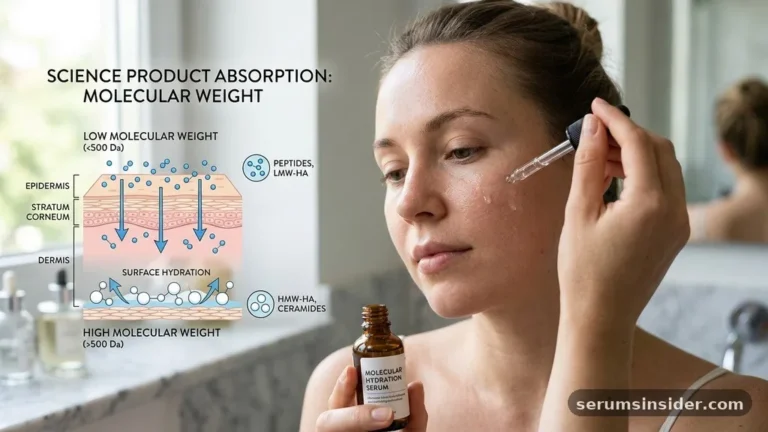
A face serum is a lightweight, highly concentrated skincare treatment designed to deliver powerful ingredients directly into the skin. Unlike a traditional moisturizer, which primarily focuses on sealing in moisture and creating a protective barrier, a facial serum is formulated with smaller molecules that penetrate deeper into the epidermis.
By targeting specific concerns—such as hyperpigmentation, fine lines, or dehydration—these formulas act as a precision tool in your daily beauty regimen. Understanding exactly what does face serum do can help you transition from a basic routine to a more results-driven approach, ensuring your complexion remains vibrant, healthy, and resilient against environmental stressors.
The Core Function of Concentrated Skincare
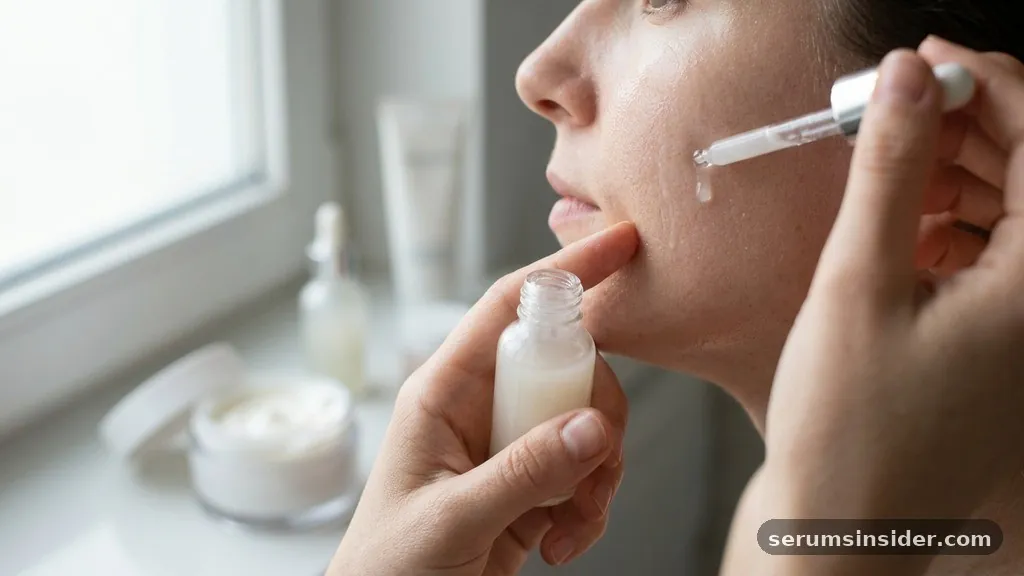
At its most fundamental level, a skin serum functions as a delivery system for potent active agents. Because these products are often water-based and free from the heavy occlusives found in creams, they can bypass the top layer of the skin more efficiently. When you apply a serum, you are essentially feeding your skin a high dose of concentrated nutrients.
This is why many dermatologists recommend using them after cleansing but before applying heavier lotions or oils. The goal is to let the serum absorb completely so that the active compounds can begin working at the cellular level.
The benefits of integrating these products into your routine are largely tied to their high concentration of active molecules. While a moisturizer might contain a small percentage of beneficial vitamins, a serum is often packed with 10% to 20% of a specific active ingredient. This makes them highly effective for correcting signs aging or addressing sudden breakouts.
Whether you are dealing with dullness, loss of elasticity, or chronic dryness, there is likely a specific formulation designed to address that exact issue. By focusing on targeted delivery, you minimize the amount of product needed while maximizing the therapeutic impact on your skin.
Key Ingredients and Their Specific Roles
The efficacy of any face serum is entirely dependent on the ingredients like antioxidants, exfoliants, and humectants that form its base. Because these products are designed for specific needs, learning to read labels is essential. For instance, if you are looking to improve your skin’s moisture retention, you should look for formulations that feature hyaluronic acid.
This molecule acts as a magnet for water, drawing hydration from the air and locking it into the skin cells. It is a staple in most modern skincare routines because it is gentle, non-irritating, and suitable for almost every skin type.
Beyond hydration, other ingredients serve more transformative roles:
- Retinol: A form of vitamin A that accelerates cell turnover, making it a gold standard for smoothing wrinkles and refining skin texture.
- Vitamin C: A potent antioxidant that brightens the complexion, fades dark spots, and protects against free radical damage.
- Glycolic Acid: An alpha hydroxy acid (AHA) that gently exfoliates the surface of the skin, revealing a brighter, more even-toned layer underneath.
- Niacinamide: A versatile vitamin that helps regulate oil production, minimize the appearance of pores, and calm redness or inflammation.
By selecting a product that contains these specific compounds, you move beyond generic care and into a custom-tailored strategy for your skin’s unique chemistry. As noted by the American Academy of Dermatology, consistent use of targeted products is the most effective way to address persistent concerns without overwhelming the skin barrier.
Differentiating Serums from Moisturizers
A common point of confusion for many people is whether a face serum can replace a moisturizer. The short answer is almost always no. While both products play a role in hydration, they operate in completely different ways.
A moisturizer is designed to prevent transepidermal water loss by creating a physical barrier on the skin’s surface. A serum, conversely, is designed to penetrate and treat. If you apply a serum but skip the moisturizer, the active ingredients may eventually evaporate, or your skin may feel tight and dehydrated because the moisture was not sealed in.
Think of it as a two-part process: the serum is the “treatment” and the moisturizer is the “sealant.” If you have oily skin, you might find that a lightweight, water-based serum provides enough hydration on its own, but for most people, layering is the key to success.
Using a serum as a step after cleansing allows the skin to drink in the nutrients, while the subsequent moisturizer ensures those nutrients stay put. When you use them in tandem, you create an environment where your skin can repair itself overnight or protect itself throughout the day.
| Feature | Face Serum | Moisturizer |
|---|---|---|
| Primary Goal | Targeted treatment | Barrier protection |
| Texture | Lightweight/Liquid | Creamy/Thick |
| Penetration | Deep | Surface |
| Frequency | 1-2 times daily | Daily/As needed |
Addressing Topical Gaps: Why Some People Struggle
One of the most frequent complaints regarding skin serums is that they do not seem to “do anything.” Often, this is not a fault of the product itself, but rather an issue of expectation management or improper application. Serums are not instant fixes; they are maintenance tools.
Because they work at a cellular level, they often require several weeks of consistent use before visible changes appear. If you are looking for a miracle cure overnight, you will likely be disappointed. Furthermore, using too many different serums at once can lead to irritation, particularly if you are layering incompatible actives like high-strength acids and retinol.
Another gap in knowledge involves the type of vehicle used. Some serums are oil-based, while others are water-based. If you have acne-prone skin, an oil-based formula might feel heavy or clog your pores, leading to the assumption that serums are “bad” for your skin.
Conversely, those with dry skin might find a water-based serum insufficient. Matching the base of the serum to your specific skin type is just as important as choosing the right active ingredient. When you identify the correct types of formulations for your needs, you bridge the gap between “trying a product” and “seeing real results.”
The Importance of Consistency and Timing
To truly understand what does face serum do, you must observe the results of long-term application. Many users wonder if they should use these products every day.
The answer is generally yes, but the timing depends on the ingredients. For example, retinol is best used at night because it can increase sun sensitivity, whereas antioxidants like Vitamin C are ideal for morning use to help protect the skin against environmental pollutants and UV-induced oxidation throughout the day.
Consistency is the secret ingredient. Because serums work to influence skin cell behavior—such as increasing collagen production or regulating melanin—intermittent use will not yield the same benefits as a daily routine. When you introduce a new serum into your routine, it is wise to start slowly.
Applying a small amount every other day allows your skin to acclimate, especially if the product contains strong acids or active retinoids. Once your skin builds tolerance, you can move to daily application. This gradual approach prevents the redness, peeling, or sensitivity that can occur when the skin is suddenly overwhelmed by high-potency ingredients.
Navigating Potential Side Effects
While serums are generally safe, they are not without potential downsides. The most common side effect is contact dermatitis or irritation caused by the high concentration of actives. If you have sensitive skin, you might find that certain formulas cause stinging or breakouts.
This is why patch testing is a crucial step before applying a new product to your entire face. Simply apply a small amount to your inner wrist or behind your ear and wait 24 hours to see if any redness or itching develops.
Furthermore, it is important to avoid “cocktailing” too many serums. While the trend of layering multiple treatments is popular, it can disrupt the skin’s natural pH and compromise the moisture barrier. If you are unsure where to start, looking for reputable brands like cerave, which focus on barrier-restoring ingredients, can be a great way to introduce serums into your life without the risk associated with overly aggressive or harsh formulations.
Remember, the goal of a serum is to help your skin function better, not to stress it out. If your skin feels tight, inflamed, or constantly dry, you may be using too many actives or the wrong type of product for your current skin health status.
Frequently Asked Questions
Is it necessary to use a face serum every day?
Yes, for the best results, consistency is key. Because serums are designed to provide ongoing treatment for your skin, daily application ensures that the active ingredients are consistently present to perform their functions, whether that is brightening, hydrating, or addressing signs of aging.
Can I use a face serum and a moisturizer together?
Absolutely. In fact, it is highly recommended. You should apply your serum first to clean, slightly damp skin, allowing it to absorb, and then follow up with your moisturizer to lock in the active ingredients and provide an essential protective barrier for your skin.
What are the common side effects of using serums?
The most common side effects include mild redness, stinging, or flaking, which usually occur if the serum is too potent for your skin type or if you are using too many active ingredients at once. Always perform a patch test before starting a new product.
Does a face serum replace my daily skincare routine?
No, a serum is a specialized treatment that works alongside your existing routine, not as a replacement for basics like cleansing, moisturizing, and sun protection. It is an additional step intended to boost the efficacy of your overall regimen by targeting specific skin concerns.
In conclusion, the primary purpose of a face serum is to deliver concentrated, high-performance ingredients to the deeper layers of the skin. By understanding how these products differ from your standard moisturizer and selecting the right formulations for your specific needs, you can significantly enhance your skin’s health and appearance.
Whether you are aiming to combat signs aging or simply want to achieve a more radiant glow, serums are an invaluable tool in any effective skincare strategy. Always prioritize consistency, patch test new products, and remember that the best results come from a balanced, thoughtful approach to your daily routine.