

A good acne serum does more than target blemishes: it must address the cause without leaving your skin barrier irritated, tight, or flaky. That balance separates a useful formula from a harsh one. Active strength, skin tolerance, and clear labeling matter more than flashy claims.
This guide compares the best serums for acne-prone skin across pore care, redness support, post-acne marks, and barrier repair. Keep reading for practical buying criteria and consistent specs that make the lineup easier to compare.
Key Takeaways
- Choose a proven active, such as salicylic acid, azelaic acid, niacinamide, or retinoids, based on your main concern.
- Check the active percentage, since higher concentrations can increase irritation without guaranteeing better results.
- Favor formulas with barrier-supporting ingredients if your skin is dry, sensitive, or prone to peeling.
- Select a lightweight, non-comedogenic serum and avoid stacking several strong exfoliating actives at once.
- Use daily broad-spectrum sunscreen, especially when treating acne marks, redness, or uneven texture.
| Blemish-Fighting Essential | 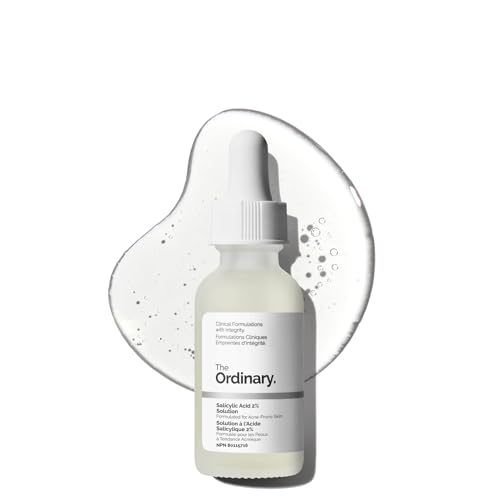 |
The Ordinary Salicylic Acid 2% | Two percent salicylic acid | Targets clogged pores | Simple active-focused formula | View on Amazon | Read Review |
| Oil-Control Standout |  |
The Ordinary Niacinamide 10% + Zinc | Ten percent niacinamide | Includes zinc | Supports oily skin | View on Amazon | Read Review |
| Korean Acne Care |  |
SeoulCeuticals Miracle Clear Serum | Korean skincare positioning | Made for acne-prone skin | Simple serum format | View on Amazon | Read Review |
| Barrier-Conscious Clarifier |  |
BYOMA Clarifying Barrier Serum | Clarifying serum format | Barrier repair positioning | Suits blemish-prone routines | View on Amazon | Read Review |
| Post-Blemish Specialist |  |
Cetaphil Post-Acne Bakuchiol Serum | Bakuchiol retinol alternative | Made for post-acne skin | Cetaphil skincare positioning | View on Amazon | Read Review |
| Redness-Soothing Pick |  |
Anua Azelaic Acid 10% Serum | Ten percent azelaic acid | Includes hyaluronic acid | Targets visible redness | View on Amazon | Read Review |
| Texture-Smoothing Basic |  |
Good Molecules Niacinamide 10% | Ten percent niacinamide | Targets pore appearance | Supports smoother texture | View on Amazon | Read Review |
| Routine-Ready Booster |  |
Paula's Choice 10% Niacinamide Booster | Ten percent niacinamide | Flexible booster format | Targets pores and texture | View on Amazon | Read Review |
| Post-Acne Resurfacer |  |
CeraVe Resurfacing Retinol Serum | Includes retinol | Niacinamide supports the formula | Targets uneven texture | View on Amazon | Read Review |
| Brightening Acne Support | 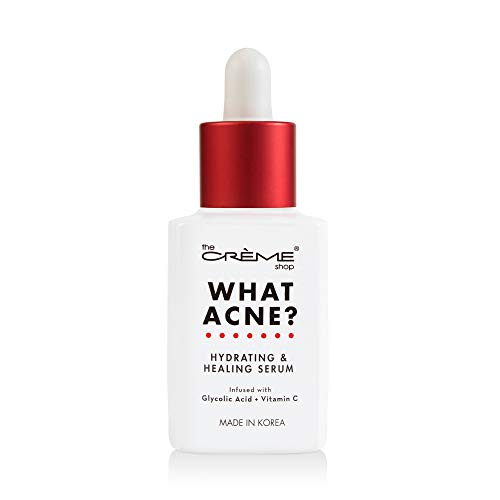 |
The Crème Shop Vitamin C Serum | Includes vitamin C | Hydration-focused formula | Calming skincare positioning | View on Amazon | Read Review |
More Details on Our Top Picks
-
The Ordinary Salicylic Acid 2%
For clogged pores, blackheads, and recurring blemishes, this is a direct place to start. The formula centers on 2% salicylic acid, a beta hydroxy acid that helps exfoliate inside pores and clear excess buildup.
Its focused ingredient list suits shoppers who prefer a straightforward acne serum without several competing actives. The main limitation is that salicylic acid can feel drying or irritating, especially on sensitive skin or when paired with other exfoliants.
- Brand:The Ordinary
- Product Type:Acne serum
- Size:1 fl oz
- Key Active:Salicylic acid 2%
- Primary Concern:Blemishes
- Skin Type:Blemish-prone
- Additional Feature:Beta hydroxy acid exfoliant
- Additional Feature:Designed for blemish-prone skin
- Additional Feature:Focused acne-care formula
-
The Ordinary Niacinamide 10% + Zinc
Choose this serum if excess oil, visible pores, and uneven texture are central concerns. Niacinamide, a form of vitamin B3, supports a more balanced-looking complexion, while zinc is commonly included in formulas aimed at oily, blemish-prone skin.
The high niacinamide concentration gives the product a clear, targeted purpose and makes it a practical choice for simple routines. Its limitation is that 10% niacinamide may cause flushing or irritation for some sensitive complexions.
- Brand:The Ordinary
- Product Type:Smoothing serum
- Size:1 fl oz
- Key Active:Niacinamide 10%
- Primary Concern:Oil and texture
- Skin Type:Blemish-prone
- Additional Feature:Zinc 1% included
- Additional Feature:Lightweight serum format
- Additional Feature:Aims to smooth texture
-
SeoulCeuticals Miracle Clear Serum
This pick is aimed at shoppers seeking a Korean skincare-inspired acne serum in a single, uncomplicated step. Its product positioning focuses on blemish-prone skin and clearer-looking results, although the available listing does not identify a specific hero active.
That makes the formula harder to compare ingredient by ingredient with targeted salicylic acid or niacinamide options. It may suit a routine built around broader blemish care, but the unspecified active profile is a meaningful limitation for shoppers with precise treatment goals.
- Brand:SeoulCeuticals
- Product Type:Acne serum
- Size:1 oz
- Primary Concern:Acne
- Skin Type:Acne-prone
- Additional Feature:Marketed as Miracle Clear
- Additional Feature:Focused on blemish care
- Additional Feature:Korean skincare formula
-
BYOMA Clarifying Barrier Serum
BYOMA takes a useful two-part approach, pairing clarifying skincare with barrier-support positioning. That combination makes sense for blemish-prone skin that also feels tight, reactive, or easily overworked by strong acne treatments.
The serum may fit routines that need a gentler balance between congestion care and daily comfort. Since the listing does not provide the active ingredients or concentrations, you cannot assess its exfoliating strength as precisely as you can with a clearly labeled formula.
- Brand:BYOMA
- Product Type:Clarifying serum
- Size:30 ml
- Primary Concern:Blemishes
- Skin Type:Acne-prone
- Additional Feature:Barrier-focused skincare
- Additional Feature:Designed for clarification
- Additional Feature:Compact 30 ml size
-
Cetaphil Post-Acne Bakuchiol Serum
Once active breakouts are less dominant, this serum is positioned for post-acne skin, including the uneven-looking tone and texture that blemishes can leave behind. Bakuchiol serves as a retinol alternative, making the formula appealing if you want an option associated with smoother-looking skin without traditional retinol.
Its gentle-care positioning works well for routines focused on recovery rather than aggressive exfoliation. The limitation is that bakuchiol is not retinol, so shoppers seeking a conventional retinoid treatment may prefer a clearly labeled retinol formula.
- Brand:Cetaphil
- Product Type:Post-acne serum
- Size:1 oz
- Key Active:Bakuchiol
- Primary Concern:Post-acne marks
- Skin Type:Acne-prone
- Additional Feature:Retinol-alternative positioning
- Additional Feature:Focuses on skin recovery
- Additional Feature:Gentle-care product direction
-
Anua Azelaic Acid 10% Serum
Azelaic acid makes this a strong candidate for skin dealing with redness, blemishes, and uneven-looking tone at the same time. At 10%, the formula has a clearly stated concentration, while hyaluronic acid adds a hydration-focused element to the serum.
This pairing may appeal to skin that needs acne support without feeling stripped after every application. Still, azelaic acid can cause initial tingling or irritation, and the formula may not be enough on its own for heavily congested pores.
- Brand:Anua
- Product Type:Soothing serum
- Size:1.01 fl oz
- Key Active:Azelaic acid 10%
- Primary Concern:Redness and blemishes
- Skin Type:Acne-prone
- Additional Feature:Hyaluronic acid included
- Additional Feature:Redness-soothing positioning
- Additional Feature:Hydration-focused formula
-
Good Molecules Niacinamide 10%
Good Molecules keeps the focus on 10% niacinamide, making this serum a practical choice for visible pores, uneven texture, and excess oil. Niacinamide supports a more balanced-looking complexion and fits easily into a routine with a moisturizer and sunscreen.
The single-ingredient emphasis makes the product easy to understand and compare with similar formulas. Its drawback is that a high niacinamide level may not suit every sensitive complexion, particularly when several active products are already in use.
- Brand:Good Molecules
- Product Type:Niacinamide serum
- Size:1 fl oz
- Key Active:Niacinamide 10%
- Primary Concern:Pores and texture
- Skin Type:Blemish-prone
- Additional Feature:Simple active focus
- Additional Feature:Pore-care positioning
- Additional Feature:Lightweight daily serum
-
Paula's Choice 10% Niacinamide Booster
This option is built as a niacinamide booster, so it suits shoppers who want to add targeted pore and texture care to an existing routine. The 10% concentration gives the product a defined role, while the booster format offers more flexibility than a standard all-in-one serum.
It can work well for routines focused on excess oil and visible pores, provided the rest of the regimen is not already crowded with strong actives. The smaller 0.67 fl oz size is the main practical limitation compared with the 1-ounce options in this roundup.
- Brand:Paula's Choice
- Product Type:Niacinamide booster
- Size:0.67 fl oz
- Key Active:Niacinamide 10%
- Primary Concern:Pores and texture
- Additional Feature:Designed to mix into routines
- Additional Feature:Focused booster format
- Additional Feature:Supports blemish-prone skincare
-
CeraVe Resurfacing Retinol Serum
CeraVe positions this serum for resurfacing and pore appearance, with retinol as the key ingredient and niacinamide included alongside it. That combination suits shoppers concerned with lingering texture, uneven-looking skin, and the visible effects left after breakouts.
Retinol can be useful in a carefully managed evening routine, but it also raises the need for gradual use and consistent daytime sun protection. The formula may not be the best first choice for skin that is currently highly irritated or peeling.
- Brand:CeraVe
- Product Type:Retinol serum
- Size:1 oz
- Key Active:Retinol
- Primary Concern:Texture and pores
- Skin Type:Acne-prone
- Additional Feature:Resurfacing product focus
- Additional Feature:Includes niacinamide
- Additional Feature:Aimed at pore appearance
-
The Crème Shop Vitamin C Serum
The Crème Shop combines vitamin C, hydration, and calming care in a serum aimed at dull, irritated, and blemish-prone skin. It may appeal to shoppers who want their acne routine to address overall brightness as well as visible pore and tone concerns.
Because the listing does not identify the vitamin C form or concentration, you cannot judge its strength as precisely as products with fully stated actives. The broader positioning is useful, but shoppers seeking a dedicated acne treatment may want a formula with a clearly named acne active.
- Brand:The Crème Shop
- Product Type:Vitamin C serum
- Key Active:Vitamin C
- Primary Concern:Dullness and blemishes
- Skin Type:Acne-prone
- Additional Feature:Marketed for irritated skin
- Additional Feature:Brightening skincare focus
- Additional Feature:Korean skincare positioning
Frequently Asked Questions
Which serum ingredient is best for acne-prone skin?
The best ingredient depends on the type of acne and your other concerns. Salicylic acid is a practical choice for blackheads, whiteheads, and oily skin, while azelaic acid can address blemishes and post-acne marks with a generally gentle profile. Niacinamide may support oil balance and visible redness, and a retinoid may help prevent recurring clogged pores. Choose one main active first, then give it six to eight weeks unless irritation requires you to stop sooner.
Can I use an acne serum every day?
Some gentle formulas are designed for daily use, but many acne serums should start at two or three applications per week. Increase frequency only if your skin remains comfortable, without persistent dryness, peeling, or stinging. Follow the label and apply moisturizer as needed. Daily use is not a requirement for results, and using an active too often can leave your skin irritated enough to make the routine harder to maintain.
Can I combine acne serums with retinol or vitamin C?
You can often use these ingredients in the same overall routine, but combining them in one application may increase irritation. A simple schedule is vitamin C in the morning, followed by moisturizer and sunscreen, with an acne active or retinoid on selected evenings. Avoid pairing multiple exfoliating acids or strong acne treatments until you know how your skin responds. If redness, burning, or peeling develops, simplify the routine to a gentle cleanser, moisturizer, and sunscreen.
Should I apply acne serum before or after moisturizer?
In most routines, apply the serum after cleansing and before moisturizer. This order lets a lightweight treatment contact the skin first, while the moisturizer adds comfort and helps reduce water loss. If the active causes irritation, apply moisturizer before the serum or use the sandwich method, moisturizer, treatment, then another thin layer of moisturizer. Follow the product directions if they specify a different order.
How long does an acne serum take to work?
Mild improvements may appear within four to eight weeks, but clogged pores and recurring acne often require longer, consistent use. Dark marks can take several months to fade, particularly without daily sunscreen. Do not switch products every few days. Track irritation, new breakouts, and texture over time, and seek professional care for deep, painful, widespread, or scarring acne.