Skin tolerance is the dividing line between a helpful serum and an irritating one. For oily, acne-prone skin, the right formula should address breakouts without leaving behind dryness, stinging, or extra shine.
This guide compares the best face serums for oily acne prone skin, covering focused acne care, barrier support, brightening, and daily sun protection. Keep reading for a clear side-by-side framework.
Key Takeaways
- Choose a serum with one primary active, such as salicylic acid or retinol, so you can judge its effect without creating unnecessary irritation.
- Check the ingredient percentage, since a higher concentration is not automatically better for sensitive or dehydrated skin.
- Prefer lightweight, non-comedogenic formulas when oil control and pore congestion are your main concerns.
- Pair exfoliating acids or retinoid products with barrier-supporting ingredients, including panthenol, niacinamide, or hyaluronic acid.
- Use broad-spectrum SPF 30 or higher during the day, especially when treating acne marks or using ingredients that can increase sun sensitivity.
| Oil Control Standout |  |
The Ordinary Niacinamide Zinc Serum | High niacinamide concentration | Includes zinc | Blemish-focused formula | View on Amazon | Read Review |
| Gentle Mark Care |  |
Cetaphil Post-Acne Bakuchiol Serum | Retinol alternative | Designed for post-acne skin | Gentle-care positioning | View on Amazon | Read Review |
| Texture Refining Pick |  |
CeraVe Resurfacing Retinol Serum | Contains retinol | Includes niacinamide | Targets uneven texture | View on Amazon | Read Review |
| Barrier Support Staple |  |
Minimalist Panthenol Moisturizer 10% | High panthenol concentration | Supports damaged skin barrier | Made for oily skin | View on Amazon | Read Review |
| Pore Clearing Classic | 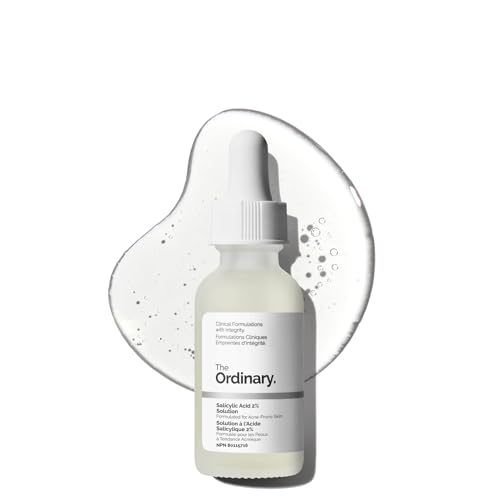 |
The Ordinary Salicylic Acid 2% | Contains 2% salicylic acid | Targets blemish-prone skin | Direct exfoliating approach | View on Amazon | Read Review |
| Botanical Blemish Helper |  |
Auravedic Tea Tree Face Serum | Tea tree-focused formula | Made for oily skin | Acne-oriented positioning | View on Amazon | Read Review |
| Hydrating Oil Balance | 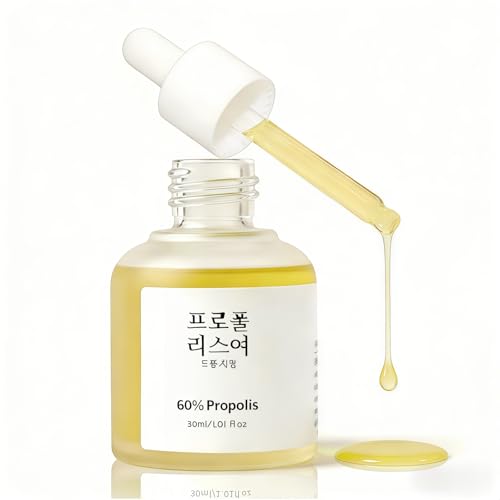 |
Propolis Facial Serum 60% | Contains 60% propolis | Combines oil control and hydration | Pore-minimizing focus | View on Amazon | Read Review |
| Brightening Recovery Step |  |
CeraVe Vitamin C Hyaluronic Serum | Contains vitamin C | Includes hyaluronic acid | Supports brighter-looking skin | View on Amazon | Read Review |
| Congestion Control Choice |  |
Minimalist Salicylic Acid 2% | Contains 2% salicylic acid | Targets blackheads and whiteheads | Addresses excess oil | View on Amazon | Read Review |
| Daytime Defense Moisturizer |  |
PanOxyl Oil Control SPF 30 | SPF 30 protection | Contains 17% zinc oxide | Oil-control positioning | View on Amazon | Read Review |
More Details on Our Top Picks
-
The Ordinary Niacinamide Zinc Serum
If excess shine and recurring blemishes are your main concerns, this is a straightforward place to start. The 10% niacinamide concentration targets the look of uneven tone and excess oil, while 1% zinc supports a blemish-focused routine.
Its simple ingredient focus makes it easy to pair with a gentle cleanser and lightweight moisturizer. The limitation is that a high niacinamide concentration may feel irritating or cause pilling for some skin types, especially when layered with several active products.
- Brand:The Ordinary
- Product Type:Face serum
- Size:1 fluid ounce
- Key Ingredient:Niacinamide 10%
- Skin Type:Blemish-prone skin
- Primary Concern:Excess oil and blemishes
- Additional Feature:Smoothing serum format
- Additional Feature:Oil-focused ingredient blend
- Additional Feature:Suitable for blemish-prone skin
-
Cetaphil Post-Acne Bakuchiol Serum
Post-breakout marks often need a calmer approach than active acne does, and this serum is aimed at that transition. Bakuchiol, a retinol alternative, makes it a useful choice for shoppers who want a brightening and smoothing step without choosing a conventional retinol product.
The post-acne focus gives this formula a clear role in a routine, particularly after active blemishes are under control. It may not be the strongest pick for persistent breakouts, and the product title does not identify a dedicated acne-fighting active such as salicylic acid.
- Brand:Cetaphil
- Product Type:Face serum
- Size:1 ounce
- Key Ingredient:Bakuchiol
- Skin Type:Post-acne skin
- Primary Concern:Post-acne marks
- Additional Feature:Bakuchiol-based formula
- Additional Feature:Gentle Clear collection
- Additional Feature:Retinol alternative positioning
-
CeraVe Resurfacing Retinol Serum
Choose this option if clogged-looking pores, uneven texture, and lingering blemish marks are all part of the picture. Retinol supports skin resurfacing, while niacinamide adds a familiar balancing ingredient to the formula.
This combination suits an established evening routine that can accommodate a retinoid product. Retinol can be drying or irritating, so introduce it gradually and use daytime sunscreen, especially if your skin is already sensitive or compromised.
- Brand:CeraVe
- Product Type:Face serum
- Size:1 ounce
- Key Ingredient:Retinol
- Skin Type:Blemish-prone skin
- Primary Concern:Pores and texture
- Additional Feature:Resurfacing formula
- Additional Feature:Pore-minimizing positioning
- Additional Feature:Niacinamide included
-
Minimalist Panthenol Moisturizer 10%
Oily skin can still feel tight, flaky, or dehydrated, particularly after using acne treatments. This 10% panthenol moisturizer is best suited to that situation, helping provide a barrier-supporting step without being positioned as another exfoliating or retinoid active.
Its focus on dehydrated and damaged skin makes it a sensible companion product for a blemish routine. The key limitation is its format: this is a moisturizer, not a traditional face serum, so it may not satisfy shoppers specifically seeking a lightweight treatment concentrate.
- Brand:Minimalist
- Product Type:Face moisturizer
- Size:1.7 ounces
- Key Ingredient:Panthenol 10%
- Skin Type:Oily, acne-prone skin
- Primary Concern:Dehydrated skin barrier
- Additional Feature:Vitamin B5 formula
- Additional Feature:Lightweight routine support
- Additional Feature:For women and men
-
The Ordinary Salicylic Acid 2%
For blackheads, whiteheads, and congestion, salicylic acid is one of the most direct ingredients to consider. This 2% salicylic acid solution is designed for blemish-prone skin and fits routines focused on clearing buildup inside pores.
The formula has a narrow, useful purpose, which makes product selection easier. Its limitation is potential dryness or irritation, especially if you combine it with retinol, other exfoliating acids, or a strong acne treatment in the same routine.
- Brand:The Ordinary
- Product Type:Face serum
- Size:1 fluid ounce
- Key Ingredient:Salicylic acid 2%
- Skin Type:Blemish-prone skin
- Primary Concern:Clogged pores
- Additional Feature:Acne-fighting serum format
- Additional Feature:Suitable for oily routines
- Additional Feature:Focuses on pore buildup
-
Auravedic Tea Tree Face Serum
Tea tree gives this serum a clear identity for oily, blemish-prone routines. It is aimed at shoppers who prefer a botanical acne-care ingredient and want a simple serum positioned around breakouts and shine.
The product title supports its use for oily and acne-prone skin, making the intended audience easy to identify. Tea tree can feel drying or irritating for sensitive skin, and the available product information does not provide a concentration or a broader active-ingredient profile.
- Brand:Auravedic
- Product Type:Face serum
- Key Ingredient:Tea tree
- Skin Type:Oily, acne-prone skin
- Primary Concern:Acne and excess oil
- Additional Feature:Botanical ingredient focus
- Additional Feature:Facial serum format
- Additional Feature:Designed for blemish-prone skin
-
Propolis Facial Serum 60%
A serum with 60% propolis is a natural fit for shoppers who want blemish care paired with hydration. The product is positioned to help manage oil, support a smoother-looking complexion, and minimize the appearance of pores without centering on a conventional exfoliating acid.
Its focus on deep hydration and balance may appeal to skin that feels oily on the surface but lacks comfortable moisture underneath. Propolis comes from bee products, so it is not the right choice if you have a known bee-related allergy or prefer strictly vegan skincare.
- Brand:Not specified
- Product Type:Facial serum
- Size:1 fluid ounce
- Key Ingredient:Propolis 60%
- Skin Type:Oily, acne-prone skin
- Primary Concern:Oil balance and pores
- Additional Feature:Natural extract formula
- Additional Feature:Deep hydration positioning
- Additional Feature:Smooths uneven-looking complexion
-
CeraVe Vitamin C Hyaluronic Serum
This serum is best for oily, acne-prone skin dealing with dullness or lingering uneven tone rather than active congestion alone. Vitamin C provides the brightening focus, while hyaluronic acid is included to add hydration without making the product an exfoliating treatment.
It can fill the antioxidant and tone-support portion of a routine, particularly when dryness makes stronger acne actives uncomfortable. The main limitation is that the title does not indicate a dedicated acne ingredient, so it is less targeted for blackheads or active breakouts.
- Brand:CeraVe
- Product Type:Face serum
- Size:1 ounce
- Key Ingredient:Vitamin C
- Skin Type:Acne-prone skin
- Primary Concern:Uneven tone
- Additional Feature:Hydrating ingredient included
- Additional Feature:Brightening serum format
- Additional Feature:Designed for facial use
-
Minimalist Salicylic Acid 2%
If your routine needs a dedicated BHA, or beta hydroxy acid, this formula keeps the purpose clear. Salicylic acid 2% is aimed at excess oil, blackheads, whiteheads, open-looking pores, and bumpy texture, giving it one of the most specific profiles in the group.
The formula suits oily and acne-prone skin that tolerates chemical exfoliation and needs help with pore congestion. As with any leave-on salicylic acid product, overuse can lead to dryness or irritation, particularly alongside retinol or other exfoliating products.
- Brand:Minimalist
- Product Type:BHA serum
- Size:1 fluid ounce
- Key Ingredient:Salicylic acid 2%
- Skin Type:Oily, acne-prone skin
- Primary Concern:Congestion and texture
- Additional Feature:BHA liquid exfoliant
- Additional Feature:Targets bumpy texture
- Additional Feature:Focuses on open-looking pores
-
PanOxyl Oil Control SPF 30
This pick serves a different job from most products in the roundup: it is a daily moisturizer with SPF 30, not a concentrated acne serum. The 17% zinc oxide provides mineral sun protection, while the oil-control positioning makes it relevant for shiny, acne-prone skin.
Use it as the daytime protection step after any treatment serum, especially when addressing post-acne marks or uneven tone. The limitation is its narrow role, since it does not provide a dedicated acne active such as salicylic acid, niacinamide, or retinol.
- Brand:PanOxyl
- Product Type:SPF moisturizer
- Size:1.7 ounces
- Key Ingredient:Zinc oxide 17%
- Skin Type:Oily, acne-prone skin
- Primary Concern:Oil control and sun protection
- Additional Feature:Mineral sunscreen formula
- Additional Feature:Moisturizer format
- Additional Feature:Designed for daytime use
Frequently Asked Questions
Which serum ingredient is best for oily acne-prone skin?
Salicylic acid is often a strong starting point for clogged pores, blackheads, and excess oil because it can move into the pore lining and loosen buildup. Niacinamide is a gentler option for shine, redness, and barrier support. Your best choice depends on the type of acne you have and how sensitive your skin is. Persistent, painful, or cystic acne may need care from a dermatologist rather than a cosmetic serum alone.
Can you use two acne serums together?
You can, but adding multiple active ingredients at once raises the risk of dryness, peeling, and irritation. Introduce one serum first, use it for several weeks, and add another only if your skin remains comfortable. A simple schedule can help: use niacinamide in the morning and salicylic acid on selected evenings. Avoid pairing several exfoliants or adding a retinoid without a clear plan.
How often should you apply an acne serum?
Follow the product directions, but many active serums are best started two or three times per week. Apply a thin layer to clean, dry skin, then use moisturizer to reduce tightness. If you develop ongoing burning, pronounced peeling, or worsening redness, reduce use or stop the serum. More frequent application does not necessarily mean faster improvement, and skin irritation can make blemishes look worse.
Should oily skin use moisturizer with a serum?
Yes. Oily skin still needs hydration, and a lightweight oil-free, noncomedogenic moisturizer can help support the barrier while acne treatments do their work. Choose a gel-cream or lotion containing ingredients such as glycerin, hyaluronic acid, or ceramides. Apply moisturizer after the serum, and use broad-spectrum sunscreen every morning because several acne treatments can increase sun sensitivity.
Can you use acne serums during pregnancy?
Check with your obstetrician or dermatologist before using acne treatments during pregnancy. Topical retinoids, including retinol and prescription retinoids, are generally avoided during pregnancy, and product guidance can vary for other active ingredients. A clinician can help you choose a suitable routine, often focusing on gentle cleansing, moisturizer, sunscreen, and pregnancy-compatible ingredients. Do not assume that a nonprescription label automatically makes every active appropriate.