At 7:15 a.m., you smooth a few drops of hyaluronic acid serum over freshly cleansed skin, hoping for hydration without inviting another breakout. Your cheeks feel tight, while your T-zone is already glossy, a familiar contradiction for acne-prone skin.
This roundup compares the best hyaluronic acid serums for acne prone skin, from simple moisture-focused formulas to options paired with acne and redness-supporting ingredients. Keep reading for a clearer way to sort them.
Key Takeaways
- Choose a non-comedogenic formula when possible, especially if rich textures tend to trigger clogged pores.
- Check the ingredient list for fragrance and essential oils if your skin is reactive or easily irritated.
- Match the serum’s supporting ingredients to your concern, such as niacinamide, azelaic acid, or salicylic acid.
- Favor a lightweight, water-based texture if you use several products or have an oily T-zone.
- Look for a secure, practical bottle and a clearly stated size so the value is easy to compare.
| Multi-Level Moisture | 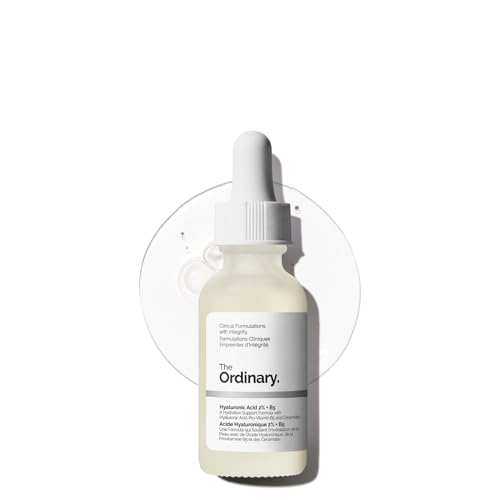 |
The Ordinary Hyaluronic Acid 2% + B5 | 2% hyaluronic acid | Includes ceramides | Supports skin barrier | View on Amazon | Read Review |
| Redness-Calming Blend |  |
Anua Azelaic Acid 10% Serum | Contains 10% azelaic acid | Adds hyaluronic acid | Targets visible redness | View on Amazon | Read Review |
| Barrier-Friendly Hydrator |  |
The Ordinary NMF + HA Hydrator | Lightweight hydration | Supports skin barrier | Travel-friendly size | View on Amazon | Read Review |
| Ceramide Comfort |  |
CeraVe Hyaluronic Acid Serum | Includes three ceramides | Supports dry skin | Hydrates without acne actives | View on Amazon | Read Review |
| Brightening Support |  |
CeraVe Vitamin C + HA Serum | Includes vitamin C | Adds hyaluronic acid | Supports brighter-looking skin | View on Amazon | Read Review |
| Simple Daily Hydration |  |
ZealSea Hyaluronic Acid Serum | Simple hydration focus | Microneedling-oriented positioning | EWG-labeled formula | View on Amazon | Read Review |
| Plumping Repair Serum | La Roche-Posay Hyalu B5 Serum | Includes vitamin B5 | Supports plumper-looking skin | Hydration-focused formula | View on Amazon | Read Review | |
| Lightweight Acne Moisture | 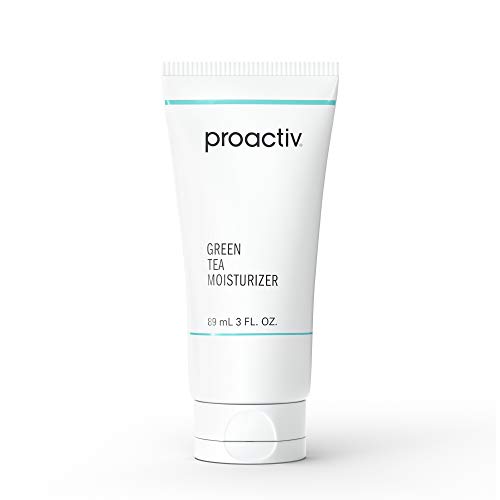 |
Proactiv Green Tea + HA Moisturizer | Green tea included | Hyaluronic acid hydration | Moisturizer-serum alternative | View on Amazon | Read Review |
| Active Ingredient Mix |  |
Eva Naturals Vitamin C Retinol Serum | Vitamin C included | Contains retinol | Includes niacinamide | View on Amazon | Read Review |
| Blemish-Focused Exfoliant | 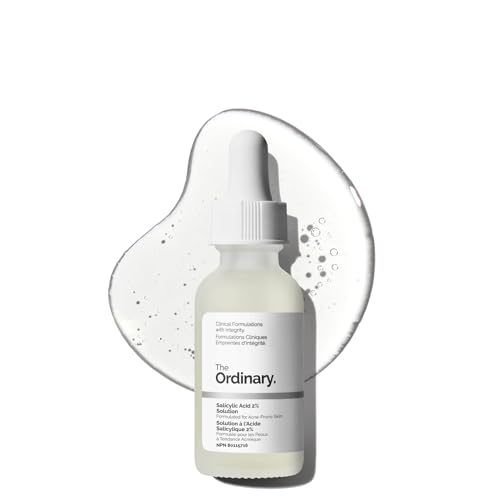 |
The Ordinary Salicylic Acid 2% Serum | Contains 2% salicylic acid | Targets clogged pores | Suits blemish-prone skin | View on Amazon | Read Review |
More Details on Our Top Picks
-
The Ordinary Hyaluronic Acid 2% + B5
If dehydration makes blemishes look more noticeable, this is a strong starting point. The formula pairs 2% hyaluronic acid with vitamin B5 and ceramides to support surface hydration without adding an acne-treatment active.
You get a straightforward, budget-conscious hydration step for combination and acne-prone skin, especially when cleansing or exfoliating leaves skin tight. Its limitation is that it may feel tacky under other products, and it does not directly address clogged pores or breakouts.
- Brand:The Ordinary
- Product Type:Hydrating serum
- Key Ingredients:HA, B5, ceramides
- Skin Type:Acne-prone, dehydrated
- Texture:Lightweight serum
- Size:1 fl oz
- Additional Feature:Multi-depth hydration
- Additional Feature:Barrier-supporting ceramides
- Additional Feature:Fragrance-free formula
-
Anua Azelaic Acid 10% Serum
Choose this formula if acne-prone skin also deals with redness and uneven-looking tone. It combines 10% azelaic acid with hyaluronic acid, giving you hydration alongside an ingredient commonly used in routines for blemishes and discoloration.
That combination makes it more targeted than a basic HA serum, particularly for post-breakout marks and visible irritation. The tradeoff is a higher chance of stinging or dryness, so introduce it gradually and avoid stacking it with several strong actives at once.
- Brand:Anua
- Product Type:Treatment serum
- Key Ingredients:Azelaic acid, HA
- Skin Type:Acne-prone, redness-prone
- Texture:Serum
- Size:1.01 fl oz
- Additional Feature:Redness-soothing focus
- Additional Feature:Supports even-looking tone
- Additional Feature:Hydrating treatment format
-
The Ordinary NMF + HA Hydrator
For skin that feels tight after washing, this lightweight hydrator keeps the focus on water retention and barrier support. Natural moisturizing factors, or NMFs, help mimic components already found in skin, while hyaluronic acid helps attract moisture.
It suits acne-prone skin that is also dehydrated, particularly when stronger blemish products cause flaking. Since it is a hydrator rather than an acne treatment, you will need a separate product for clogged pores, active blemishes, or excess oil.
- Brand:The Ordinary
- Product Type:Lightweight hydrator
- Key Ingredients:NMFs, hyaluronic acid
- Skin Type:Dehydrated, acne-prone
- Texture:Lightweight moisturizer
- Size:1 fl oz
- Additional Feature:Natural moisturizing factors
- Additional Feature:Hyaluronic acid included
- Additional Feature:Barrier-supporting formula
-
CeraVe Hyaluronic Acid Serum
This is a sensible pick for acne-prone skin that leans dry or easily irritated. Hyaluronic acid supplies hydration, while CeraVe’s three essential ceramides help support the barrier that can become stressed by frequent cleansing and acne treatments.
The formula is better suited to replenishing moisture than treating breakouts, and its serum texture can fit beneath a separate moisturizer. If your skin is very oily, the added hydration may feel heavier than a simple water-based serum.
- Brand:CeraVe
- Product Type:Hydrating serum
- Key Ingredients:HA, three ceramides
- Skin Type:Dry, acne-prone
- Texture:Serum
- Size:1 oz
- Additional Feature:Essential ceramide blend
- Additional Feature:Facial hydration focus
- Additional Feature:Supports skin barrier
-
CeraVe Vitamin C + HA Serum
Look here if post-acne discoloration is a bigger concern than active congestion. Vitamin C supports a brighter, more even-looking complexion, while hyaluronic acid helps offset the dry, tight feeling that can accompany a brightening routine.
The formula also brings CeraVe’s barrier-supporting approach, making it useful for combination skin that needs hydration and tone support in one step. Vitamin C can still irritate sensitive skin, and this product is not a substitute for sunscreen or a dedicated acne treatment.
- Brand:CeraVe
- Product Type:Brightening serum
- Key Ingredients:Vitamin C, HA
- Skin Type:Acne-prone, uneven tone
- Texture:Serum
- Size:1 oz
- Additional Feature:Brightening treatment focus
- Additional Feature:Barrier-supporting ingredients
- Additional Feature:Designed for facial use
-
ZealSea Hyaluronic Acid Serum
With its straightforward hyaluronic acid focus, this serum fits a routine built around daily moisture rather than multiple treatment actives. It may suit acne-prone skin that feels dehydrated from cleansing, weather, or leave-on blemish products.
The microneedling reference gives the formula a more specialized positioning, but it should not be treated as a replacement for professional microneedling guidance or sterile clinical products. Its main limitation is a lack of clearly identified acne-focused ingredients, so it will not do much for clogged pores on its own.
- Brand:ZealSea
- Product Type:Hyaluronic acid serum
- Key Ingredients:Hyaluronic acid
- Skin Type:Acne-prone, dehydrated
- Texture:Serum
- Additional Feature:Daily hydration positioning
- Additional Feature:Microneedling serum format
- Additional Feature:EWG-focused labeling
-
La Roche-Posay Hyalu B5 Serum
This option makes sense when acne-prone skin looks dehydrated, rough, or less supple after an active-heavy routine. Hyaluronic acid provides moisture and a plumper appearance, while vitamin B5 supports a more comfortable skin feel.
It is positioned as an anti-aging and hydration serum, not a breakout treatment, so pair it with a separate acne active when needed. Richer-feeling formulas can be less appealing on very oily skin, and sensitive users should review the full ingredient list before applying it broadly.
- Brand:La Roche-Posay
- Product Type:Hydrating serum
- Key Ingredients:Hyaluronic acid, B5
- Skin Type:Dehydrated, acne-prone
- Texture:Serum
- Size:1 oz
- Additional Feature:Anti-aging positioning
- Additional Feature:Hyalu B5 complex
- Additional Feature:Facial hydration treatment
-
Proactiv Green Tea + HA Moisturizer
This is the practical choice if you want hydration in a moisturizer rather than a separate serum. Green tea gives the formula an antioxidant-oriented angle, while hyaluronic acid helps support moisture for dry, oily, and acne-prone skin types.
The format can simplify a routine, especially if layering several serums feels excessive. However, it is not a dedicated hyaluronic acid serum, and its moisturizer base may be too occlusive for skin that becomes shiny or congested easily.
- Brand:Proactiv
- Product Type:Facial moisturizer
- Key Ingredients:Green tea, HA
- Skin Type:Oily, dry, acne-prone
- Texture:Moisturizer
- Size:3 oz
- Additional Feature:Antioxidant-focused ingredients
- Additional Feature:Designed for acne-prone skin
- Additional Feature:Larger moisturizer size
-
Eva Naturals Vitamin C Retinol Serum
Select this only if your routine needs broader tone and texture support, not just hydration. Vitamin C, retinol, and niacinamide target different concerns, including uneven-looking tone, rough texture, and excess oil, though the listing does not identify hyaluronic acid as a key ingredient.
That active combination may appeal to experienced skincare users, but it can be demanding for sensitive or easily irritated acne-prone skin. Use it cautiously, avoid combining it with too many exfoliants, and remember that it is better classified as a treatment serum than a classic HA serum.
- Brand:Eva Naturals
- Product Type:Treatment serum
- Key Ingredients:Vitamin C, retinol, niacinamide
- Skin Type:Acne-prone, uneven tone
- Texture:Serum
- Size:1 oz
- Additional Feature:Multi-active formula
- Additional Feature:Tone-supporting ingredients
- Additional Feature:Texture-focused treatment
-
The Ordinary Salicylic Acid 2% Serum
This belongs in the roundup for acne-prone skin because 2% salicylic acid directly targets the blemish side of the equation. Salicylic acid is oil-soluble, meaning it can work within pore buildup more directly than a basic hydrating serum.
It is useful when blackheads, whiteheads, and excess oil are the main concerns, but it is not a hyaluronic acid serum and may increase dryness. Pair it with a separate, uncomplicated hydrator, and avoid piling it onto several other exfoliating or retinoid products.
- Brand:The Ordinary
- Product Type:Acne treatment serum
- Key Ingredients:Salicylic acid 2%
- Skin Type:Oily, blemish-prone
- Texture:Solution
- Size:1 fl oz
- Additional Feature:Oil-soluble exfoliant
- Additional Feature:Acne-focused formula
- Additional Feature:Helps address pore buildup
Frequently Asked Questions
Can hyaluronic acid cause breakouts?
Hyaluronic acid itself is a hydrating ingredient, not a pore-clogging oil, so it is usually suitable for acne-prone skin. Breakouts may still occur if the full formula contains irritating or comedogenic ingredients, or if the product does not suit your skin. Choose an oil-free, fragrance-free formula and apply a small amount before adding other products. Check the entire ingredient list, not just the name on the front of the bottle.
Should I use hyaluronic acid before or after acne medication?
Follow the directions for your acne medication first, because application order can vary by product and prescription instructions. In many routines, hyaluronic acid goes on after cleansing and treatment, or between treatment and moisturizer to reduce dryness. If your skin becomes stinging, intensely red, or unusually tight, simplify the routine and seek advice from a dermatology professional. Hydration can support an acne routine, but it cannot replace acne treatment.
Is hyaluronic acid safe to use with salicylic acid?
Yes, these ingredients are generally compatible in the same routine. Salicylic acid helps clear excess oil and dead skin from pores, while hyaluronic acid helps add water to the skin and may make the routine feel less drying. Apply salicylic acid as directed, then use hyaluronic acid on slightly damp skin if appropriate, followed by moisturizer. Start with a lower frequency if your skin is sensitive, since too many active products can cause irritation.
Can I use hyaluronic acid with retinol or adapalene?
Hyaluronic acid is commonly paired with retinol or adapalene because those ingredients can cause dryness, peeling, or tightness. Use each product according to its instructions, and keep the rest of the routine gentle. A moisturizer after hyaluronic acid can help reduce water loss and improve comfort. Wear broad-spectrum sunscreen during the day, particularly when your acne routine includes a retinoid.
How should I apply hyaluronic acid serum?
Cleanse gently, leave the skin slightly damp, and apply a small amount of serum, usually one or two drops or the amount listed on the label. Press it into the skin rather than rubbing aggressively, then follow with moisturizer. Use it once or twice daily if your skin tolerates it and the product directions support that schedule. If your skin feels tight after application, use less serum and add a richer non-comedogenic moisturizer on top.