


Rough patches catch beneath your fingertips, makeup settles into tiny grooves, and a once-smooth glow looks flat in the mirror. Uneven texture can feel like a small detail, but it changes how every layer sits and reflects light.
That is where the best serums for skin texture earn attention, pairing targeted ingredients with lightweight layers for smoother-looking, more even skin. The comparison ahead covers formulas for pores, bumps, dullness, fine lines, and dehydration, so keep reading to match the right focus to your routine.
Key Takeaways
- Match the active ingredient to your concern, such as retinoids for uneven texture, niacinamide for visible pores, or humectants for dehydration.
- Check the active concentration and follow the stated usage guidance, especially with retinal, retinol, acids, and spicule-based formulas.
- Choose a hydrating base with ingredients such as hyaluronic acid, ceramides, or peptides if your skin feels tight or easily irritated.
- Review the skin type and concern claims, since a pore-focused serum may not address dullness, fine lines, or rough body texture equally well.
- Compare bottle size and format, then consider how often the serum is meant to be applied before judging its overall value.
| Spicule Texture Booster |  |
VT Cica Reedle Shot 100 | Texture-focused formula | Cica-centered ingredient profile | Lightweight serum format | View on Amazon | Read Review |
| Plumping Toner Serum |  |
COSRX Peptide Collagen Booster | Six-peptide formula | Large 5.07-ounce size | Lightweight layering texture | View on Amazon | Read Review |
| Retinal Refining Treatment |  |
MEDITHERAPY Retinal Booster Serum | Retinaldehyde-based formula | Includes niacinamide | Face-and-body positioning | View on Amazon | Read Review |
| Fermented Skin Smoother |  |
numbuzin No.3 Softening Serum | Texture-focused daily serum | Fermented ingredient approach | Targets pore appearance | View on Amazon | Read Review |
| Pore Refining Staple |  |
Good Molecules Niacinamide 10% | 10% niacinamide | Pore-focused formula | Straightforward serum format | View on Amazon | Read Review |
| Intensive Spicule Resurfacer |  |
medicube Exosome Shot 2000 | 2,000 PPM spicule formula | Exosome-focused positioning | Texture-refining purpose | View on Amazon | Read Review |
| Cushioning Repair Serum |  |
medicube PDRN Pink Peptide | PDRN and peptide blend | Salmon DNA formula | Plumping skincare focus | View on Amazon | Read Review |
| Tone And Texture Corrector |  |
medicube TXA Niacinamide 15% | TXA and niacinamide | Targets uneven tone | Texture-focused glow serum | View on Amazon | Read Review |
| Beginner Retinol Resurfacer |  |
CeraVe Resurfacing Retinol Serum | Resurfacing retinol formula | Includes niacinamide | Ceramide barrier support | View on Amazon | Read Review |
| Hydration Texture Smoother | 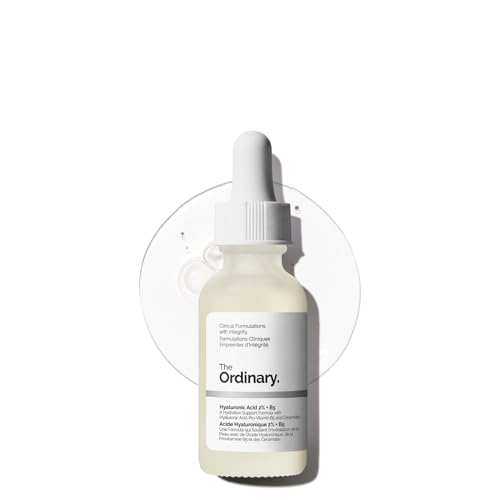 |
The Ordinary Hyaluronic Acid 2% | 2% hyaluronic acid | Includes B5 and ceramides | Multi-depth hydration focus | View on Amazon | Read Review |
More Details on Our Top Picks
-
VT Cica Reedle Shot 100
VT Cica Reedle Shot 100 is best for rough, uneven texture and anyone interested in a more active-feeling serum. Its Cica Reedle technology uses fine spicules to help the formula reach the skin’s surface more effectively, while cica supports a calmer-looking finish.
The main appeal is its texture-smoothing focus, lightweight serum format, and centella-based soothing profile. The limitation is clear: spicules can create temporary tingling or irritation, so sensitive skin should start cautiously and avoid pairing it immediately with strong exfoliants or retinoids.
- Brand:VT Cosmetics
- Product Type:Spicule serum
- Key Ingredients:Cica, Reedle spicules
- Skin Concern:Uneven texture
- Texture Goal:Smoother-looking skin
- Additional Feature:Reedle Shot 100 formula
- Additional Feature:Cica-based soothing support
- Additional Feature:Designed for facial use
-
COSRX Peptide Collagen Booster
Choose this toner-serum hybrid if dullness, dehydration, and a lack of bounce are making texture look more obvious. Its six-peptide formula is designed to support a smoother, more supple appearance, while the generous 5.07-ounce size suits regular use.
The fluid format can layer easily under moisturizer and sunscreen, and peptides are generally more approachable than stronger resurfacing actives. Its limitation is that it may provide hydration-driven smoothing more than dramatic correction of deep pores, scars, or pronounced roughness.
- Brand:COSRX
- Product Type:Toner serum
- Size:5.07 fl oz
- Key Ingredients:Six peptides, collagen
- Skin Concern:Dullness
- Texture Goal:Plumper-looking skin
- Additional Feature:Toner-serum consistency
- Additional Feature:Collagen-focused positioning
- Additional Feature:Suitable for layered routines
-
MEDITHERAPY Retinal Booster Serum
MEDITHERAPY’s serum fits routines focused on uneven texture, visible aging, and dullness. Retinaldehyde, a vitamin A derivative, works more directly on renewal than many beginner-friendly retinol formulas, while niacinamide and cica help round out the active blend.
The face-and-body positioning adds flexibility, especially for areas with rough texture beyond the face. Still, retinaldehyde can irritate, particularly when introduced too often, so use it gradually at night and wear broad-spectrum sunscreen during the day.
- Brand:MEDITHERAPY
- Product Type:Retinal serum
- Size:5.07 fl oz
- Key Ingredients:Retinaldehyde, niacinamide, cica
- Skin Concern:Uneven texture
- Texture Goal:Refined-looking skin
- Additional Feature:Face and body use
- Additional Feature:Includes cica
- Additional Feature:Targets signs of aging
-
numbuzin No.3 Softening Serum
numbuzin No.3 is a strong match for skin that feels rough, lackluster, or visibly porous, particularly if you prefer a softening serum over a high-potency exfoliant. Its fermented-ingredient approach is aimed at improving the look of overall smoothness and radiance.
The formula is positioned around skin texture and pores, with a gentler daily-care feel than retinoid or spicule products. Its limitation is that visible changes may be gradual, and it may not be enough alone for stubborn congestion or pronounced post-acne texture.
- Brand:numbuzin
- Product Type:Softening serum
- Size:1.69 fl oz
- Key Ingredients:Fermented ingredients
- Skin Concern:Pores, roughness
- Texture Goal:Softer-looking skin
- Additional Feature:No.3 numbered formula
- Additional Feature:Radiance-focused positioning
- Additional Feature:Lightweight skincare step
-
Good Molecules Niacinamide 10%
This is a practical pick for visible pores, excess oil, and uneven texture without adding a retinoid or exfoliating acid to your routine. Its 10% niacinamide concentration supports a more balanced-looking complexion and can help reduce the appearance of rough, enlarged pores over time.
The simple serum format makes it easy to place between cleansing and moisturizing, and the focused ingredient list suits routine builders. The main limitation is that 10% niacinamide may feel irritating for some sensitive complexions, especially when combined with several other active products.
- Brand:Good Molecules
- Product Type:Niacinamide serum
- Size:1 fl oz
- Key Ingredients:10% niacinamide
- Skin Concern:Pores, texture
- Texture Goal:Smoother-looking skin
- Additional Feature:Oil-balance support
- Additional Feature:Minimal routine placement
- Additional Feature:Concentrated niacinamide formula
-
medicube Exosome Shot 2000
medicube Exosome Shot Zero 2,000 PPM is aimed at shoppers seeking a high-intensity texture treatment rather than a basic hydrating serum. Its spicule technology creates the product’s signature prickly sensation, while the exosome-focused formula is positioned around skin renewal and refinement.
This option may appeal to experienced active-skincare users dealing with roughness and uneven surface texture. The tradeoff is a higher irritation risk than a standard serum, so avoid applying it to compromised skin and introduce it carefully around other strong actives.
- Brand:medicube
- Product Type:Spicule serum
- Key Ingredients:Exosomes, spicules
- Skin Concern:Rough texture
- Texture Goal:Refined-looking skin
- Additional Feature:Zero 2,000 formula
- Additional Feature:Prickly application profile
- Additional Feature:Designed for facial use
-
medicube PDRN Pink Peptide
Reach for this serum if texture looks worse because skin feels dry, thin, or depleted. PDRN, salmon DNA, and peptides give the formula a restorative, cushioning focus that may help skin appear smoother and more supple.
Its strength is the combination of plumping support and barrier-minded care, rather than aggressive resurfacing. The limitation is that it is unlikely to address clogged pores or deeply uneven texture as directly as retinoids, niacinamide, or spicule formulas.
- Brand:medicube
- Product Type:Peptide serum
- Key Ingredients:PDRN, peptides, salmon DNA
- Skin Concern:Dry, depleted skin
- Texture Goal:Plumper-looking skin
- Additional Feature:Pink serum format
- Additional Feature:Cushioning hydration focus
- Additional Feature:Supports smoother appearance
-
medicube TXA Niacinamide 15%
This serum suits routines focused on uneven tone, dullness, and visible texture in the same step. Tranexamic acid, commonly called TXA, is used in skincare for the appearance of discoloration, while niacinamide supports a more even-looking surface and refined pores.
The formula combines brightening and pore-care goals, which makes it useful when roughness and post-blemish marks appear together. Its limitation is potential sensitivity, particularly if the 15% active blend is layered with exfoliating acids, retinoids, or other high-strength treatments.
- Brand:medicube
- Product Type:Brightening serum
- Key Ingredients:TXA, niacinamide
- Skin Concern:Uneven tone, texture
- Texture Goal:Smoother-looking skin
- Additional Feature:15% active blend
- Additional Feature:Glow-focused positioning
- Additional Feature:Supports pore appearance
-
CeraVe Resurfacing Retinol Serum
CeraVe Resurfacing Retinol Serum is a sensible choice for post-blemish marks, visible pores, and uneven texture when you want a familiar drugstore-style retinoid option. Retinol supports surface renewal, while niacinamide and ceramides help provide a more balanced formula.
Its main advantage is the pairing of resurfacing retinol with barrier-support ingredients, including CeraVe’s ceramide blend. The limitation is that retinol still requires a gradual schedule, nighttime use, and daily sunscreen, and it may not suit highly reactive skin.
- Brand:CeraVe
- Product Type:Retinol serum
- Size:1 fl oz
- Key Ingredients:Retinol, niacinamide, ceramides
- Skin Concern:Pores, post-blemish marks
- Texture Goal:Smoother-looking skin
- Additional Feature:Encapsulated retinol positioning
- Additional Feature:Non-comedogenic formula
- Additional Feature:Fragrance-free skincare option
-
The Ordinary Hyaluronic Acid 2%
The Ordinary Hyaluronic Acid 2% + B5 is best for texture that looks rough mainly because of dehydration and tightness. Hyaluronic acid attracts water at different skin levels, while B5 and ceramides support a softer, more cushioned finish.
This serum offers multi-depth hydration without adding retinol, acids, or spicules, making it an approachable choice for dry or easily irritated routines. Its limitation is that hydration can temporarily soften the look of fine texture, but it will not directly resurface clogged pores or acne scarring.
- Brand:The Ordinary
- Product Type:Hydrating serum
- Size:1 fl oz
- Key Ingredients:Hyaluronic acid, B5, ceramides
- Skin Concern:Dehydration
- Texture Goal:Plumper-looking skin
- Additional Feature:Multi-molecular-weight hydration
- Additional Feature:Barrier-supporting ceramides
- Additional Feature:Simple daily layering step
Frequently Asked Questions
How often should you use a serum for skin texture?
Start with two nights per week for an exfoliating acid or retinoid, then increase gradually if your skin remains comfortable. Some gentle hydrating or niacinamide serums can be used daily, according to the label. Allow several weeks for visible smoothing, and avoid increasing frequency simply because results are not immediate. Persistent burning, swelling, or intense peeling means you should stop the active and simplify your routine.
Can you use a retinol serum and an exfoliating acid together?
You can include both in the same routine over time, but applying them together often raises the risk of dryness and irritation. Use the acid on one night and retinol on another, leaving recovery nights between them if your skin is sensitive. Keep the rest of the routine simple with a gentle cleanser, moisturizer, and daily sunscreen. Add only one new active at a time so you can identify what your skin tolerates.
How long does it take to improve skin texture?
Mild surface roughness may look better within four to eight weeks, while acne-related texture, fine lines, and uneven tone often need several months of consistent use. Retinoids usually require more patience than basic hydrating formulas. Use the serum at the recommended frequency and protect your skin from ultraviolet exposure. Sun damage can keep uneven texture in place, much like repeatedly sanding a table after smoothing it.
Should you apply a texture serum before or after moisturizer?
In most routines, apply the serum after cleansing and before moisturizer. This order lets a concentrated formula contact the skin first, while the moisturizer adds barrier support and helps reduce dryness. If the serum stings or feels too strong, apply a thin layer of moisturizer first, then the serum, followed by another light layer. This buffering method can make retinoids or acids easier to tolerate.
Are texture serums safe for sensitive skin?
Sensitive skin can often tolerate a texture serum, but choose a low-strength active, a fragrance-free formula, and soothing ingredients such as panthenol or ceramides. Introduce it slowly, using a small amount on limited nights. Avoid applying active serums to broken, sunburned, or freshly irritated skin. If you have persistent redness, eczema, rosacea, or are pregnant, ask a dermatologist which ingredients are appropriate before choosing a retinoid or strong exfoliant.