Redness is not always a sign that skin needs a stronger treatment. In many cases, the most useful serum supports the skin barrier, reduces visible irritation, or gently targets uneven tone instead of simply masking flushed patches.
That makes the best face serums for redness a surprisingly varied group, ranging from calming oat and centella formulas to azelaic-acid treatments and pore-focused options. The comparison ahead sorts those differences by active ingredients, texture, and intended skin type, so you can read the labels with a sharper eye.
Key Takeaways
- Prioritize fragrance-free formulas and shorter ingredient lists if your skin reacts easily.
- Check the active ingredient first, especially azelaic acid, niacinamide, colloidal oatmeal, centella asiatica, or panthenol.
- Choose barrier-supporting ingredients such as ceramides, glycerin, and hyaluronic acid when redness comes with dryness or tightness.
- Match the serum texture to your skin type, using lightweight gels for oily skin and richer formulas for dry or compromised skin.
- Introduce potent actives gradually, applying sunscreen daily because UV exposure can make visible redness and uneven tone more persistent.
| Oily Skin Soother |  |
Pacifica Redness Rehab Serum | Targets redness and oil | Contains niacinamide | Vegan formula | View on Amazon | Read Review |
| Oat-Based Comfort |  |
IT Cosmetics Redness Serum | Contains 1% oatmeal | Designed for redness | Sensitive-skin friendly focus | View on Amazon | Read Review |
| Barrier Repair Pick | 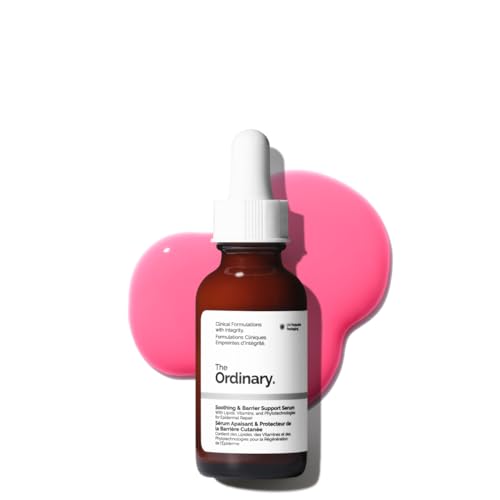 |
The Ordinary Barrier Support Serum | Supports the skin barrier | Contains centella asiatica | Adds hydration | View on Amazon | Read Review |
| Cream Texture Choice |  |
La Roche-Posay Rosaliac Cream | Targets facial redness | Moisturizing cream format | Suits simple routines | View on Amazon | Read Review |
| Oat Calming Specialist |  |
Prequel Redness Corrector Serum | Calming serum format | Contains oat extract | Sensitive-skin focus | View on Amazon | Read Review |
| Dual-Active Corrector |  |
MAREE Azelaic Acid Serum | Contains 10% azelaic acid | Includes niacinamide | Treatment-focused formula | View on Amazon | Read Review |
| Pore Refining Alternative |  |
Beauty of Joseon Pore Serum | Targets visible pores | Contains peptides | Smoothing, plumping focus | View on Amazon | Read Review |
| Fragrance-Free Tone Care | 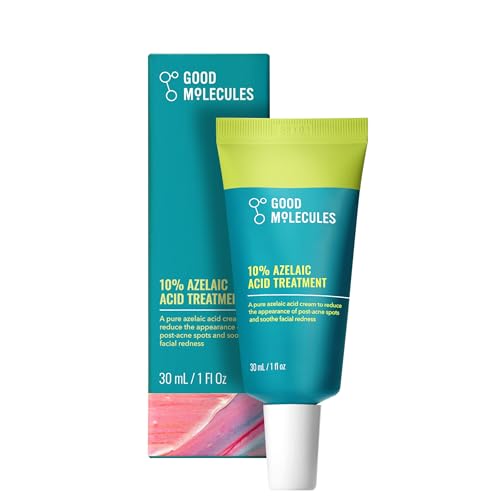 |
Good Molecules Azelaic Treatment | Contains 10% azelaic acid | Fragrance-free formula | Targets uneven tone | View on Amazon | Read Review |
| Hydrating Azelaic Blend |  |
Anua Azelaic Hyaluron Serum | Contains 10% azelaic acid | Includes hyaluron | Redness-soothing focus | View on Amazon | Read Review |
| Plumping Support Serum |  |
Medicube PDRN Peptide Serum | Contains PDRN | Includes pink peptides | Plumping-care focus | View on Amazon | Read Review |
More Details on Our Top Picks
-
Pacifica Redness Rehab Serum
If excess oil and visible redness tend to arrive together, this serum is a practical fit. Niacinamide supports a more balanced-looking complexion, while the super greens positioning adds a soothing angle for oily or combination skin.
The formula also targets the look of enlarged pores and shine, which gives it broader value than a redness-only product. Its limitation is that the focus may feel less suitable for very dry or highly reactive skin, especially if your routine already contains several active ingredients.
- Brand:Pacifica
- Product Type:Face serum
- Key Ingredient:Niacinamide
- Skin Type:Oily, combination
- Formula Type:Vegan serum
- Additional Feature:Super greens blend
- Additional Feature:Pore-minimizing focus
- Additional Feature:Shine-control positioning
-
IT Cosmetics Redness Serum
Sensitive complexions may appreciate the straightforward soothing focus here. The formula features 1% colloidal oatmeal, an established skin protectant commonly used to comfort dry, irritated-looking skin, while its neutralizing positioning suits visible redness.
This is a good choice if calming support matters more than exfoliation or brightening. The limitation is its narrower focus, since the available product information does not point to pore refining, dark-spot care, or a broad collection of additional actives.
- Brand:IT Cosmetics
- Product Type:Face serum
- Size:1% colloidal oatmeal
- Key Ingredient:Colloidal oatmeal
- Formula Type:Neutralizing serum
- Additional Feature:Redness-neutralizing positioning
- Additional Feature:Skin-protectant ingredient
- Additional Feature:Comfort-focused formula
-
The Ordinary Barrier Support Serum
Choose this serum if redness appears alongside tightness, dryness, or a compromised-feeling skin barrier. Centella asiatica gives the formula a calming foundation, while the barrier-support focus makes it useful for routines that need hydration without a crowded active list.
Its redness-reducing aim is paired with skin-barrier care, which is a sensible combination for stressed skin. The limitation is that it may not directly address oiliness, clogged pores, or stubborn discoloration as specifically as an azelaic acid product.
- Brand:The Ordinary
- Product Type:Face serum
- Size:1 fl oz
- Key Ingredient:Centella asiatica
- Formula Type:Hydrating serum
- Additional Feature:Redness-reducing positioning
- Additional Feature:Barrier-support focus
- Additional Feature:Daily skincare format
-
La Roche-Posay Rosaliac Cream
A cream can make more sense than a lightweight serum if redness comes with dryness or a need for added comfort. This Toleriane Rosaliac formula is positioned specifically for facial redness, and its richer format may fit best as the moisturizing step in a simple routine.
The main strength is targeted redness care from a brand known for sensitive-skin skincare. The clear limitation is that this is a face cream, not a serum, so it may feel too rich for oily skin or unsuitable if you want a thin, layering-friendly treatment.
- Brand:La Roche-Posay
- Product Type:Face cream
- Size:1.35 oz
- Formula Type:Redness-care cream
- Additional Feature:Toleriane skincare line
- Additional Feature:Rosaliac redness focus
- Additional Feature:Moisturizer-style application
-
Prequel Redness Corrector Serum
Prequel keeps the proposition focused: a calming face serum built around oat extract for sensitive-looking skin. That makes it appealing if you want redness support with a gentle, uncomplicated feel rather than a formula centered on stronger exfoliating ingredients.
The oat-based approach is its key advantage, especially for routines that prioritize comfort and barrier-friendly care. Still, the available details do not identify a concentration, supporting actives, or a specific redness mechanism, so you may want more ingredient transparency before building a complex routine around it.
- Brand:Prequel
- Product Type:Face serum
- Key Ingredient:Oat extract
- Skin Type:Sensitive
- Formula Type:Calming serum
- Additional Feature:Redness-correcting positioning
- Additional Feature:Oat-based formula
- Additional Feature:Minimalist treatment focus
-
MAREE Azelaic Acid Serum
This serum pairs 10% azelaic acid with niacinamide, giving you two familiar ingredients for a redness-focused routine. Azelaic acid is the headline active, while niacinamide adds support for uneven-looking tone and excess oil.
It suits shoppers who want a treatment-style serum rather than a purely moisturizing product. The limitation is that a 10% active formula may feel more noticeable on reactive skin, so introduce it gradually and avoid stacking it immediately with several other strong treatments.
- Brand:MAREE
- Product Type:Face serum
- Key Ingredient:10% azelaic acid
- Formula Type:Active serum
- Additional Feature:Redness-relief positioning
- Additional Feature:Dual-active formula
- Additional Feature:Tone-supporting ingredients
-
Beauty of Joseon Pore Serum
This pick is better suited to you if visible pores, uneven texture, and loss of firmness sit higher on your list than redness alone. Red bean PDRN and peptides give the formula a smoothing and plumping direction, making it a supporting option for a more refined-looking complexion.
Its strengths are the pore-focused positioning and peptide-led care, but it is not primarily marketed as a redness treatment. If calming flushing is your main goal, a serum with centella, oat, or azelaic acid offers a more direct match.
- Brand:Beauty of Joseon
- Product Type:Face serum
- Size:30 ml
- Key Ingredient:Red bean PDRN
- Formula Type:Pore-firming serum
- Additional Feature:Peptide blend
- Additional Feature:Korean skincare format
- Additional Feature:Texture-refining positioning
-
Good Molecules Azelaic Treatment
Good Molecules offers a clear active-led option with 10% azelaic acid at the center. It is positioned to soften the look of redness, uneven tone, dark spots, and rough texture, so it fits a routine with several complexion concerns rather than redness in isolation.
The fragrance-free and vegan formula details may appeal to shoppers who prefer a simpler ingredient profile. Its limitation is that azelaic acid can feel active on very sensitive skin, and the treatment may need a slower introduction than a basic hydrating serum.
- Brand:Good Molecules
- Product Type:Face treatment
- Size:30 ml
- Key Ingredient:10% azelaic acid
- Formula Type:Vegan, fragrance-free
- Additional Feature:Dark-spot care
- Additional Feature:Texture-refining focus
- Additional Feature:Redness-blurring positioning
-
Anua Azelaic Hyaluron Serum
Anua combines 10% azelaic acid with hyaluron, creating a useful middle ground between redness care and hydration. The pairing may suit you if active treatments often leave your skin feeling dry or tight and you still want an ingredient aimed at uneven tone.
Its strongest feature is that balanced formula concept, with redness soothing and moisture support in the same product. The limitation is that even a hydrating azelaic serum may tingle on reactive skin, so keep the rest of your routine calm while you introduce it.
- Brand:Anua
- Product Type:Face serum
- Size:1.01 fl oz
- Key Ingredient:10% azelaic acid
- Formula Type:Hydrating serum
- Additional Feature:Hyaluron hydration
- Additional Feature:Tone-supporting treatment
- Additional Feature:Daily serum format
-
Medicube PDRN Peptide Serum
Medicube takes a different route, focusing on PDRN and pink peptides rather than a classic redness active such as azelaic acid or colloidal oatmeal. That makes it more appealing if redness comes with concerns about dullness, softness, or a less plump-looking complexion.
The formula’s peptide-led direction may complement a calming routine, but the available product information does not position it as a dedicated redness corrector. Consider it a supporting serum for overall skin appearance, not the most direct choice for persistent facial redness.
- Brand:Medicube
- Product Type:Face serum
- Key Ingredient:PDRN
- Formula Type:Peptide serum
- Additional Feature:Salmon DNA positioning
- Additional Feature:Pink peptide formula
- Additional Feature:Firming-support focus
Frequently Asked Questions
Can A Face Serum Get Rid Of Redness?
A serum may reduce the appearance of mild redness by supporting the skin barrier and calming irritation, but results depend on the cause. Dryness, over-exfoliation, acne, rosacea, allergies, and sun exposure can all look different and may require different care. Persistent, painful, itchy, or spreading redness deserves medical advice. A serum can support a routine, but it should not replace diagnosis or treatment for an ongoing skin condition.
Which Ingredients Are Best For Redness?
Helpful options include niacinamide, centella asiatica, panthenol, allantoin, colloidal oatmeal, green tea, and azelaic acid. Niacinamide and barrier-supporting ingredients are often suitable for daily use, while azelaic acid may be a better fit for redness accompanied by blemishes or uneven tone. Ingredient tolerance varies, so keep the rest of your routine gentle. A short formula with a few well-chosen ingredients may be more comfortable than a crowded serum containing several potent actives.
Should You Use A Redness Serum Every Day?
Daily use can work for gentle, barrier-supporting formulas, but stronger products may be better used two or three times weekly at first. Apply a small amount to clean, dry skin, then follow with moisturizer and sunscreen in the morning. Reduce use if you notice persistent burning, swelling, peeling, or increased redness. Brief tingling can occur with some active ingredients, but discomfort that continues is a sign to stop and reassess the formula.
Can You Layer It With Retinol Or Vitamin C?
You often can, but layering depends on the specific ingredients and your skin’s tolerance. Use a calming serum with retinol on separate nights initially, and pair it with vitamin C only if both formulas are gentle and fragrance-free. A simple schedule is often easier: apply vitamin C in the morning, use the redness serum at night, and introduce retinol on another evening. Add one active at a time so you can identify the source of irritation if your skin reacts.
Do You Still Need Sunscreen With A Redness Serum?
Yes. Daily broad-spectrum SPF 30 or higher helps limit UV exposure, which can worsen visible redness, sensitivity, and uneven tone. Apply sunscreen as the final morning skincare step, using enough to cover the face, ears, and neck. Reapply during extended outdoor exposure, especially after sweating or swimming. A serum can support calmer-looking skin, but sunscreen remains the routine’s main line of defense against sun-related irritation.