At 7:15 a.m., you smooth a watery serum over freshly cleansed skin, then pause as your T-zone starts preparing its daily shine routine. Hydration should not feel like adding another layer of grease.
That is why the best hyaluronic acid serums for oily skin deserve a closer comparison, especially across texture, ingredients, and value. Keep reading for a clearer way to sort the promising bottles from the merely glossy ones.
Key Takeaways
- Prioritize a lightweight, water-based texture that absorbs quickly instead of leaving a heavy film.
- Check the ingredient list for hyaluronic acid alongside soothing or barrier-supporting ingredients.
- Choose a formula with fragrance-free labeling if your skin is easily irritated or prone to redness.
- Match the serum’s hydration level to your routine, since oily skin can still become dehydrated.
- Compare bottle size and price per ounce, particularly when choosing a daily-use serum.
| Barrier Support Pick | 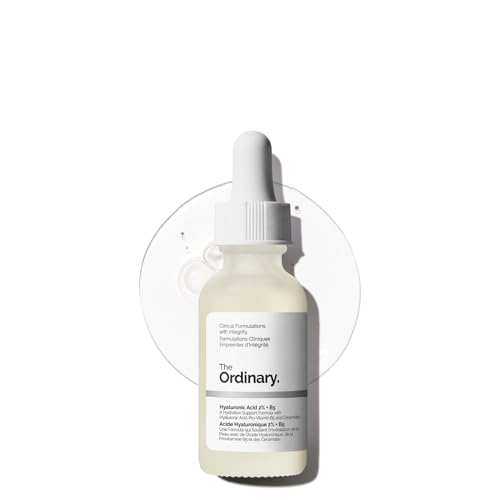 |
The Ordinary Hyaluronic Acid 2% + B5 | Multi-depth hydration | Includes ceramides | Supports skin barrier | View on Amazon | Read Review |
| Simple Daily Hydrator |  |
Good Molecules Hyaluronic Acid Serum | Simple hydration focus | Lightweight daily layer | Easy under sunscreen | View on Amazon | Read Review |
| Redness Relief Choice |  |
Anua Azelaic Acid 10 Serum | Contains 10% azelaic acid | Targets visible redness | Adds lightweight hydration | View on Amazon | Read Review |
| Plumping Care Option | La Roche-Posay Hyalu B5 Serum | Hyaluronic acid hydration | Includes vitamin B5 | Plumping skin focus | View on Amazon | Read Review | |
| Mineral Barrier Booster |  |
Vichy Mineral 89 Booster | Lightweight booster format | Supports skin barrier | Works under moisturizer | View on Amazon | Read Review |
| Ceramide Comfort Serum |  |
CeraVe Hyaluronic Acid Serum | Contains ceramides | Supports skin barrier | Helps relieve tightness | View on Amazon | Read Review |
| Gel Texture Favorite |  |
Neutrogena Hydro Boost Serum | Gel-style hydration | Lightweight routine step | Contains hyaluronic acid | View on Amazon | Read Review |
| Larger Size Value | 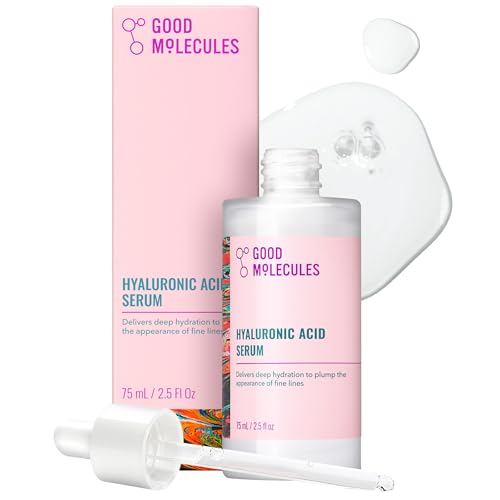 |
Good Molecules Hyaluronic Acid Serum 2.5 fl oz | Generous 2.5-ounce size | Simple hydration focus | Easy to layer | View on Amazon | Read Review |
| High-Volume Hydrator |  |
Coera Hyaluronic Acid Serum 8 fl oz | Very large bottle | Simple hydration purpose | Suitable for frequent use | View on Amazon | Read Review |
| Dewy K-Beauty Pick |  |
MEDITHERAPY Hyaluronic Acid Serum 5.07 fl oz | Dewy finish focus | Generous 5.07-ounce size | Korean skincare positioning | View on Amazon | Read Review |
More Details on Our Top Picks
-
The Ordinary Hyaluronic Acid 2% + B5
For oily skin that still feels tight or dehydrated, this serum offers multi-depth hydration without adding a heavy cream layer. The combination of 2% hyaluronic acid and vitamin B5 supports a smoother, more comfortable finish.
Ceramides give the formula extra appeal for a weakened moisture barrier, especially after cleansing or using active ingredients. The limitation is that hyaluronic acid can feel tacky if you apply too much, so use a small amount on damp skin and follow with a light moisturizer.
- Brand:The Ordinary
- Product Type:Hydrating serum
- Size:1 fl oz
- Key Ingredient:Hyaluronic acid
- Skin Type:Oily, dehydrated
- Formula Type:Water-based serum
- Additional Feature:2% hyaluronic acid
- Additional Feature:Vitamin B5
- Additional Feature:Ceramide-infused formula
-
Good Molecules Hyaluronic Acid Serum
Choose this straightforward facial serum if you want hydration without a crowded ingredient list or a rich, oily finish. It suits oily skin that needs more water, particularly after cleansing or exposure to dry indoor air.
The formula is easy to place under sunscreen and moisturizer, and its simple focus makes it a practical daily step. Its main limitation is that it targets hydration rather than redness, acne, or oil control, so it will not replace a treatment serum.
- Brand:Good Molecules
- Product Type:Hydrating serum
- Size:1 fl oz
- Key Ingredient:Hyaluronic acid
- Skin Type:All skin types
- Formula Type:Water-based serum
- Additional Feature:Facial use
- Additional Feature:Hyaluronic acid formula
- Additional Feature:One-ounce bottle
-
Anua Azelaic Acid 10 Serum
This option makes sense for oily skin with visible redness, uneven tone, or congestion concerns, since it pairs hyaluronic acid with 10% azelaic acid. The hydrating base can help keep the treatment step from feeling overly drying.
Azelaic acid gives this serum a more targeted role than a basic hydrator, while hyaluron helps support skin comfort. The trade-off is that sensitive skin may need a gradual introduction, and layering it with several strong actives can increase irritation.
- Brand:Anua
- Product Type:Treatment serum
- Size:1.01 fl oz
- Key Ingredient:Azelaic acid
- Skin Type:Oily, redness-prone
- Formula Type:Water-based serum
- Additional Feature:Hyaluronic acid included
- Additional Feature:Redness-soothing focus
- Additional Feature:Facial serum format
-
La Roche-Posay Hyalu B5 Serum
If dehydration makes oily skin look dull or rough, this serum focuses on plumping hydration and a smoother-looking surface. Its hyaluronic acid and vitamin B5 combination gives it a more supportive profile than a single-ingredient hydrator.
The anti-aging positioning may appeal if fine lines are part of your skincare priorities, while the familiar pharmacy-style format suits a streamlined routine. It may feel richer than the lightest water gels, so oily skin should begin with a modest amount.
- Brand:La Roche-Posay
- Product Type:Facial serum
- Size:1 oz
- Key Ingredient:Hyaluronic acid
- Skin Type:All skin types
- Formula Type:Hydrating serum
- Additional Feature:Anti-aging positioning
- Additional Feature:Vitamin B5
- Additional Feature:Facial use
-
Vichy Mineral 89 Booster
This booster is well suited to oily skin that feels dehydrated or stressed, but does not need a heavy cream. Its hyaluronic acid-centered formula is designed to add water-based moisture while supporting a more comfortable skin barrier.
The booster format works well beneath moisturizer, sunscreen, or other routine steps, and the texture is generally positioned as lightweight. The limitation is its narrow focus: it improves hydration and comfort, but it is not an oil-control or blemish-treatment product.
- Brand:Vichy
- Product Type:Hydrating booster
- Size:1 oz
- Key Ingredient:Hyaluronic acid
- Skin Type:All skin types
- Formula Type:Water-based booster
- Additional Feature:Mineral-rich formula
- Additional Feature:Barrier repair focus
- Additional Feature:Facial serum use
-
CeraVe Hyaluronic Acid Serum
Oily skin can still become stripped, especially after foaming cleansers or acne treatments, and this serum addresses that dry, tight feeling with hydration plus barrier-supporting ingredients. Its CeraVe positioning makes it a sensible choice for a routine built around skin comfort.
Hyaluronic acid provides moisture, while ceramides help reinforce the skin barrier, creating a useful balance for combination and dehydrated oily skin. The limitation is that the formula is marketed broadly for dry skin, so anyone wanting an ultra-light gel may find it less weightless than expected.
- Brand:CeraVe
- Product Type:Facial serum
- Size:1 oz
- Key Ingredient:Hyaluronic acid
- Skin Type:Dry, combination
- Formula Type:Hydrating serum
- Additional Feature:Ceramide blend
- Additional Feature:Facial use
- Additional Feature:Dry skin positioning
-
Neutrogena Hydro Boost Serum
The Hydro Boost name points to a gel-oriented hydration step, a useful format for oily skin that dislikes dense, creamy serums. It can add moisture beneath sunscreen or moisturizer without turning the routine into a small chemistry project.
Hyaluronic acid gives the formula its water-binding focus, making it helpful for surface dehydration and a less comfortable skin feel. The limitation is that hydration alone will not reduce shine or clear clogged pores, so pair it with separate oil-control care if needed.
- Brand:Neutrogena
- Product Type:Hydrating serum
- Size:1 fl oz
- Key Ingredient:Hyaluronic acid
- Skin Type:Oily, combination
- Formula Type:Gel serum
- Additional Feature:Hydro Boost range
- Additional Feature:Facial use
- Additional Feature:Moisture-focused formula
-
Good Molecules Hyaluronic Acid Serum 2.5 fl oz
This larger version suits anyone who wants a simple hyaluronic acid serum as a regular part of a morning and evening routine. Oily skin gets a straightforward hydration layer, while the uncomplicated format makes it easy to combine with sunscreen and targeted treatments.
Its main strengths are the focused ingredient profile, lightweight serum role, and generous 2.5 fl oz size. The limitation is functional rather than cosmetic: it hydrates, but does not directly address excess oil, blemishes, or redness.
- Brand:Good Molecules
- Product Type:Hydrating serum
- Size:2.5 fl oz
- Key Ingredient:Hyaluronic acid
- Skin Type:All skin types
- Formula Type:Water-based serum
- Additional Feature:Facial hydrating serum
- Additional Feature:Hyaluronic acid formula
- Additional Feature:Larger bottle format
-
Coera Hyaluronic Acid Serum 8 fl oz
With an 8 fl oz bottle, this serum is aimed at frequent, generous use rather than a compact vanity routine. It may appeal if you want a basic hydration product for oily skin, the neck, or other areas that benefit from a water-based layer.
The large format is its defining advantage, paired with a simple hyaluronic acid purpose. The limitation is that the available product information does not identify a more targeted concern, so do not expect dedicated acne, redness, or barrier-treatment benefits from the title alone.
- Brand:Coera
- Product Type:Hydrating serum
- Size:8 fl oz
- Key Ingredient:Hyaluronic acid
- Skin Type:All skin types
- Formula Type:Moisturizing serum
- Additional Feature:Facial serum format
- Additional Feature:Moisturizing focus
- Additional Feature:High-volume packaging
-
MEDITHERAPY Hyaluronic Acid Serum 5.07 fl oz
This serum is geared toward a dewy, plump finish, making it a fit for oily skin that wants hydration without giving up a fresh-looking glow. The Korean skincare positioning and 5.07 fl oz size also make it appealing for routines built around generous layering.
Hyaluronic acid supports moisture and a smoother surface, while the large bottle offers plenty for regular facial use. The limitation is the dewy finish itself, which may look too shiny on very oily skin, especially if layered beneath a rich moisturizer or luminous sunscreen.
- Brand:MEDITHERAPY
- Product Type:Facial serum
- Size:5.07 fl oz
- Key Ingredient:Hyaluronic acid
- Skin Type:All skin types
- Formula Type:Hydrating serum
- Additional Feature:K-beauty formula
- Additional Feature:Glass-skin positioning
- Additional Feature:Plumping hydration focus
Frequently Asked Questions
Is hyaluronic acid suitable for oily skin?
Yes. Hyaluronic acid is a water-binding humectant, so it adds hydration without functioning like a facial oil, which can make it useful for oily skin that still feels tight or dehydrated. Choose a lightweight, oil-free serum and seal it with a non-greasy moisturizer. Hydrated skin may feel more comfortable, but hyaluronic acid does not directly reduce sebum production.
Can hyaluronic acid clog pores?
Pure hyaluronic acid is generally considered low risk for pore clogging because it is not an occlusive oil. The rest of the formula matters, however, since rich emollients, heavy plant oils, or unsuitable additives may be more relevant to breakouts. Look for a non-comedogenic label, then review the full ingredient list if you know certain ingredients trigger congestion. No label can predict every individual reaction.
Should you apply hyaluronic acid before or after moisturizer?
Apply it before moisturizer, ideally after cleansing while your skin is slightly damp. Follow with a light moisturizer to reduce water loss and prevent the serum from leaving a tight or tacky finish. If the product pills, use less serum, allow each layer to absorb, and avoid rubbing repeatedly. Two or three drops are often enough for the face, depending on the dispenser and formula.
Can you use hyaluronic acid with acne treatments?
Usually, yes. Hyaluronic acid can provide supportive hydration alongside ingredients such as salicylic acid, benzoyl peroxide, or retinoids, which may otherwise cause dryness. Introduce stronger acne treatments gradually and keep the rest of the routine simple. If burning, persistent redness, or swelling develops, stop the irritating product and seek advice from a dermatologist.
How often should you use a hyaluronic acid serum?
Most people can use a hyaluronic acid serum once or twice daily, after cleansing and before moisturizer. Morning use should be followed by broad-spectrum sunscreen with an SPF of 30 or higher. Start with once-daily application if your routine already contains several active ingredients. More layers do not necessarily mean more hydration, and skincare can become a small chemistry project surprisingly quickly.