A common mistake is treating redness as one uniform skin concern, then choosing a serum based on a prominent ingredient alone. Irritation, dryness, visible flushing, and uneven tone can call for different approaches.
This roundup compares 10 formulas across texture, positioning, and key label details, so the differences are easier to spot before you make a purchase. Keep reading for the side-by-side guide.
Key Takeaways
- Check the active ingredients first, especially if redness comes with sensitivity, blemishes, or uneven tone.
- Choose a formula with barrier-supporting ingredients when dryness, tightness, or flaking accompany visible redness.
- Match the texture and finish to your skin type, since rich creams may feel heavy on oily skin.
- Review the fragrance and essential-oil listing if your skin reacts easily to scented formulas.
- Confirm the size and concentration so you can compare value and ingredient strength fairly.
| Oatmeal Comfort |  |
IT Cosmetics Bye Bye Redness Serum | 1% colloidal oatmeal | Redness-focused formula | Serum texture | View on Amazon | Read Review |
| Green Balance |  |
Pacifica Kale Yeah Redness Serum | Includes niacinamide | Targets oil and pores | Vegan formula | View on Amazon | Read Review |
| Barrier Repair Pick | 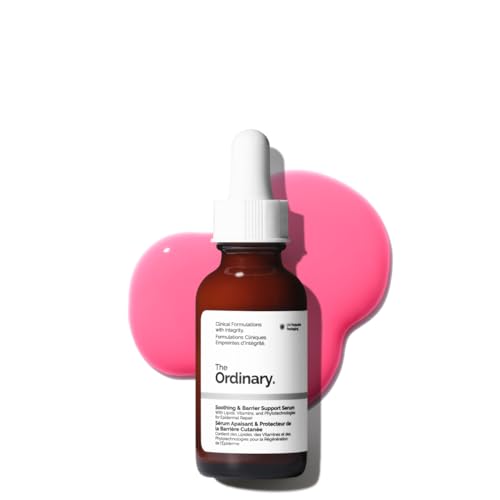 |
The Ordinary Barrier Support Serum | Contains centella asiatica | Supports barrier care | Hydrating serum format | View on Amazon | Read Review |
| Azelaic Acid Soother |  |
Anua Azelaic Acid Redness Serum | 10% azelaic acid | Includes hyaluronic acid | Redness-soothing focus | View on Amazon | Read Review |
| Creamy Redness Care |  |
La Roche-Posay Rosaliac AR Cream | Cream-based redness care | Sensitive-skin positioning | Established skincare brand | View on Amazon | Read Review |
| Oat Extract Relief |  |
Prequel Redness Corrector Serum | Contains oat extract | Calming serum format | Sensitive-skin focus | View on Amazon | Read Review |
| Tone Refining Active | 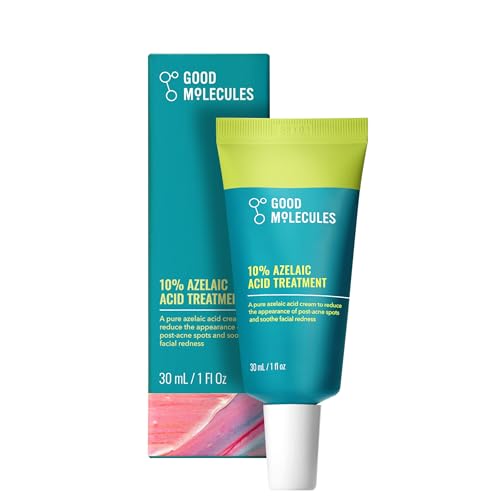 |
Good Molecules Azelaic Treatment | 10% azelaic acid | Fragrance-free formula | Targets uneven tone | View on Amazon | Read Review |
| Centella Barrier Shield |  |
Dr.Jart Cicapair Centella Serum | Contains centella asiatica | Sensitive-skin focus | Barrier repair positioning | View on Amazon | Read Review |
| Fragrance-Free Calm |  |
Purito Centella Unscented Serum | Unscented formula | Centella-focused care | 2 fl oz size | View on Amazon | Read Review |
| Niacinamide Duo |  |
MAREE Azelaic Acid Serum | 10% azelaic acid | Includes niacinamide | Targets facial redness | View on Amazon | Read Review |
More Details on Our Top Picks
-
IT Cosmetics Bye Bye Redness Serum
IT Cosmetics Bye Bye Redness is a strong fit for sensitive, visibly red skin that needs a calming step rather than an aggressive exfoliating treatment. Its defining ingredient is 1% colloidal oatmeal, a skin-soothing ingredient commonly used to support comfort and reduce the feel of irritation.
The formula’s main appeal is its focused, uncomplicated positioning, with a serum format and a recognized soothing ingredient. Its limitation is that the available product information does not identify additional actives, fragrance details, or a specific skin-type focus, so it may not address oiliness, dark spots, or texture as directly as some alternatives.
- Brand:IT Cosmetics
- Product Type:Face serum
- Key Ingredient:1% colloidal oatmeal
- Additional Feature:Designed for visible redness
- Additional Feature:Soothing oatmeal formula
- Additional Feature:Simple ingredient focus
-
Pacifica Kale Yeah Redness Serum
Choose this Pacifica serum if your skin is oily or combination, with redness appearing alongside shine and enlarged-looking pores. The formula combines niacinamide with super greens, giving it a broader balancing focus than a redness-only serum.
Niacinamide may help support a more even-looking tone and refined appearance, while the product’s positioning speaks directly to oil control and calming care. The limitation is that the formula may feel less targeted for very dry or highly reactive skin, especially if your priority is barrier comfort above all else.
- Brand:Pacifica
- Product Type:Face serum
- Key Ingredient:Niacinamide
- Skin Type:Oily, combination
- Additional Feature:Super greens blend
- Additional Feature:Redness-focused skincare
- Additional Feature:Vegan formula
-
The Ordinary Barrier Support Serum
The Ordinary’s serum suits skin that feels dry, tight, or easily irritated, particularly when redness seems linked to a weakened moisture barrier. Centella asiatica is the headline ingredient, paired with a clear focus on soothing and hydration.
Its strengths are the barrier-repair positioning, hydrating format, and direct approach to redness-related discomfort. The limitation is that it is not presented as an oil-control or dark-spot treatment, so you may need a separate product for those concerns.
- Brand:The Ordinary
- Product Type:Face serum
- Size:1 fl oz
- Key Ingredient:Centella asiatica
- Additional Feature:Redness-reducing focus
- Additional Feature:Barrier support formula
- Additional Feature:Hydration-focused care
-
Anua Azelaic Acid Redness Serum
Anua’s serum is a sensible choice if redness comes with uneven tone or blemish-prone concerns. It features 10% azelaic acid, an ingredient widely used in formulas aimed at visible redness and tone refinement, along with hyaluronic acid for added hydration.
The combination gives this serum a more multitasking profile than a basic calming formula. Still, azelaic acid can feel active on reactive skin, and the available information does not specify fragrance details or a particular skin-type recommendation.
- Brand:Anua
- Product Type:Face serum
- Size:1.01 fl oz
- Key Ingredient:10% azelaic acid
- Additional Feature:Hyaluron hydration support
- Additional Feature:Tone-evening focus
- Additional Feature:Redness-focused formula
-
La Roche-Posay Rosaliac AR Cream
This La Roche-Posay option fits shoppers who prefer a cream texture over a lightweight serum, especially for facial redness associated with sensitive-feeling skin. Its Rosaliac AR name clearly places it in the brand’s redness-care range.
The richer format may suit a simple morning or evening routine when comfort matters more than layering several products. The key limitation is practical: this is a face cream, not a serum, so it may feel heavier and less flexible under other skincare steps.
- Brand:La Roche-Posay
- Product Type:Face cream
- Size:1.35 oz
- Skin Type:Sensitive
- Additional Feature:Rosaliac AR formula
- Additional Feature:Designed for facial redness
- Additional Feature:Moisturizing cream format
-
Prequel Redness Corrector Serum
Prequel’s redness corrector is geared toward skin needing calming, uncomplicated care, with oat extract as its standout ingredient. That makes it a natural match for routines built around reducing the look of redness and supporting a more comfortable skin feel.
The serum format should appeal if you want a lighter layer than a cream, while the sensitive-skin positioning keeps the focus narrow and useful. Its limitation is the lack of detailed information about concentration, fragrance, size, and additional active ingredients.
- Brand:Prequel
- Product Type:Face serum
- Key Ingredient:Oat extract
- Skin Type:Sensitive
- Additional Feature:Redness corrector positioning
- Additional Feature:Lightweight serum format
- Additional Feature:Calming skincare focus
-
Good Molecules Azelaic Treatment
Good Molecules is well suited to redness that appears alongside uneven tone, dark spots, or rough texture. Its 10% azelaic acid formula gives it a targeted active profile, while the fragrance-free design may appeal if scented skincare tends to complicate your routine.
This treatment offers more than redness care, with product claims centered on tone, brightness, and texture. The tradeoff is that azelaic acid may be too active for a very compromised barrier, so a gradual routine and basic moisturizer may be more comfortable.
- Brand:Good Molecules
- Product Type:Face treatment
- Size:1.01 fl oz
- Key Ingredient:10% azelaic acid
- Additional Feature:Vegan formula
- Additional Feature:Dark-spot appearance focus
- Additional Feature:Texture-refining positioning
-
Dr.Jart Cicapair Centella Serum
Dr.Jart+ Cicapair is aimed at sensitive skin with visible redness, particularly if your routine also needs barrier-supportive care. Its central ingredient, centella asiatica, is paired with a Korean skincare approach focused on soothing and repair.
The formula’s strengths are its recognizable Cicapair line, redness-oriented positioning, and centella-based support. The limitation is that the available product details do not confirm fragrance information or additional actives, which may matter if your skin reacts easily.
- Brand:Dr.Jart+
- Product Type:Face serum
- Size:1.01 fl oz
- Key Ingredient:Centella asiatica
- Skin Type:Sensitive
- Additional Feature:Cicapair line formula
- Additional Feature:Korean skincare product
- Additional Feature:Redness-focused care
-
Purito Centella Unscented Serum
Purito’s serum makes sense for sensitive skin and fragrance-avoidant routines, thanks to its unscented formula and centella-focused positioning. It offers a straightforward calming step without adding perfume to the mix, which can simplify a reactive skincare routine.
The larger 2 fl oz size is another practical advantage, especially if you use serum regularly. Its limitation is that the product title does not identify a concentration, broader active blend, or specific claims around oil control and tone correction.
- Brand:Purito
- Product Type:Face serum
- Size:2 fl oz
- Key Ingredient:Centella asiatica
- Skin Type:Sensitive
- Fragrance:Unscented
- Additional Feature:Fragrance-free positioning
- Additional Feature:Calming skincare focus
- Additional Feature:Sensitive-skin friendly design
-
MAREE Azelaic Acid Serum
MAREE’s serum pairs 10% azelaic acid with niacinamide, making it a useful option if redness overlaps with uneven tone or the look of blemishes. The combination gives the formula a more active, multitargeted profile than a basic soothing serum.
Its main strengths are the clearly stated azelaic acid percentage, niacinamide pairing, and direct redness-relief positioning. The limitation is that the available details do not provide the size, fragrance information, or a specific skin-type recommendation, so the formula’s routine fit is harder to judge in advance.
- Brand:MAREE
- Product Type:Face serum
- Key Ingredient:10% azelaic acid
- Additional Feature:Redness-relief positioning
- Additional Feature:Tone-supporting active blend
- Additional Feature:Two featured actives
Frequently Asked Questions
What serum ingredients are best for facial redness?
The most useful options often include azelaic acid, niacinamide, panthenol, centella asiatica, allantoin, and colloidal oatmeal. Choose based on the likely cause, since azelaic acid may suit blemish-related redness while panthenol and oatmeal are better aligned with dryness and sensitivity. Keep the rest of the formula simple, with fragrance-free and barrier-supporting ingredients. More actives do not automatically mean better results, especially for reactive skin.
Can a redness serum treat rosacea?
A serum may help support comfort and reduce the appearance of mild redness, but it cannot treat every form of rosacea. Azelaic acid has a stronger role in rosacea-focused skincare than many soothing botanicals, though tolerance varies. Seek advice from a dermatology professional if redness is persistent, burns, causes bumps, affects the eyes, or worsens despite a gentle routine. Sudden or severe facial redness also deserves prompt medical attention.
Should you use a redness serum every day?
Many hydrating and soothing serums can be used once or twice daily, provided the formula feels comfortable and does not cause stinging. Start with once daily, then adjust based on how your skin responds. Actives such as azelaic acid, exfoliating acids, or retinoids may require a slower schedule. Use daily sunscreen in the morning, because sun exposure can make redness harder to manage.
Can you use a redness serum with retinol or vitamin C?
You can often combine a calming serum with retinol or vitamin C, but stacking several active products increases the chance of dryness and irritation. Niacinamide, panthenol, and centella are usually easier pairing choices than exfoliating acids. Apply one active at a time, or use them in separate routines, such as vitamin C in the morning and retinol at night. If your skin is already flushed or stinging, simplify the routine before adding another active.
How long does a redness serum take to work?
Hydrating formulas may make skin feel more comfortable within a few days to two weeks, while visible changes in redness can take several weeks. Azelaic acid and other active ingredients often need consistent use for four to eight weeks before you can fairly assess their effect. Keep photos or brief notes under similar lighting so you can judge gradual changes more clearly. Stop using the serum if you develop significant swelling, hives, blistering, or intense burning.